StartseiteMCPWorkbenchSkills
StartseiteWorkbenchBenachrichtigungenMein Bereich
llms.txt · MCP-AnleitungDatenschutz · Nutzungsbedingungen · Supportv1.8.3
  1. Startseite
  2. /Reaktion

1-isopropyl-3-methyl-1H-1,2,4-triazole → 10-bromo-2-(1-isopropyl-3-methyl-1H-1,2,4-triazol-5-yl)-5,6-dihydrobenzo[f]imidazo[1,2-d][1,4]oxazepine

HRID 1530372
Drucken

Reaktionsgleichung

Reaktionsgleichung von HRID 1530372
[CH:1]([N:4]1[CH:8]=[N:7][C:6]([CH3:9])=[N:5]1)([CH3:3])[CH3:2].C(N1C(C)=NC=N1)(C)C.C([Li])CCC.[Br:24][C:25]1[CH:26]=[CH:27][C:28]2[O:37][CH2:36][CH2:35][N:34]3[C:30](=[N:31][C:32](I)=[CH:33]3)[C:29]=2[CH:39]=1>C1COCC1.[Cl-].[Zn+2].[Cl-].C1C=CC([P]([Pd]([P](C2C=CC=CC=2)(C2C=CC=CC=2)C2C=CC=CC=2)([P](C2C=CC=CC=2)(C2C=CC=CC=2)C2C=CC=CC=2)[P](C2C=CC=CC=2)(C2C=CC=CC=2)C2C=CC=CC=2)(C2C=CC=CC=2)C2C=CC=CC=2)=CC=1>[Br:24][C:25]1[CH:26]=[CH:27][C:28]2[O:37][CH2:36][CH2:35][N:34]3[C:30](=[N:31][C:32]([C:8]4[N:4]([CH:1]([CH3:3])[CH3:2])[N:5]=[C:6]([CH3:9])[N:7]=4)=[CH:33]3)[C:29]=2[CH:39]=1
KomponentenReaktionsbedingungenVersuchsvorschriftAufarbeitungQuellen und NachweiseNotizen zur Reaktion

Komponenten

8

Edukt 4

HCID 207448981-isopropyl-3-methyl-1H-1,2,4-triazoleHCID 540510601-isopropyl-5-methyl-1H-[1,2,4]triazoleHCID 5820440710-Bromo-2-iodo-5,6-dihydrobenzo[F]imidazo[1,2-D][1,4]oxazepineHCID 178418339Butyllithium

Produkt 1

HCID 5820476010-bromo-2-(1-isopropyl-3-methyl-1H-1,2,4-triazol-5-yl)-5,6-dihydrobenzo[f]imidazo[1,2-d][1,4]oxazepine
Ausbeute 22 %

Reagenzien, Katalysatoren, Lösungsmittel 3

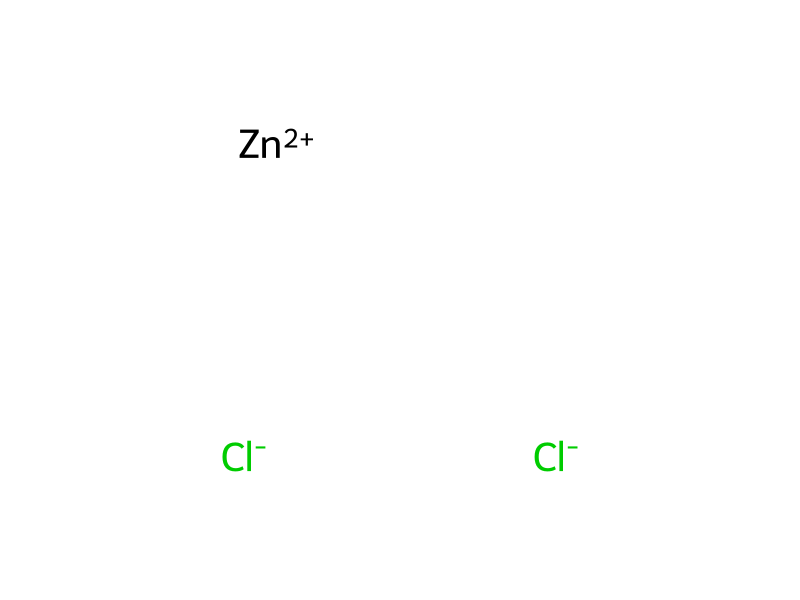
HCID 3007855SinkkikloridiKatalysatorHCID 178418397HCID 178418397, VerbindungKatalysatorHCID 8028TetrahydrofuranLösungsmittel2×

Reaktionsbedingungen

Temperatur
-30 °C

Versuchsvorschrift

A solution of 1-isopropyl-3-methyl-1H-[1,2,4]triazole (in a 6:4 mixture with 1-isopropyl-5-methyl-1H-[1,2,4]triazole, 0.75 g, 3.6 mmol) in THF (10 mL) was cooled to −25° C. and treated with n-butyllithium (2.5M in hexanes, 1.45 mL, 3.63 mmol) over 5 min under a nitrogen atmosphere and then stirred at this temperature for 1 h. The mixture was then cooled to −30° C. and a solution of zinc chloride (0.5M in THF, 4.22 mL, 2.11 mmol) was added over 5 min. The reaction mixture was stirred between −20° C. and −25° C. for 30 min, then slowly warmed to RT and stirred at this temperature for 30 min. A solution of 9-bromo-2-iodo-4,5-dihydro-6-oxa-1,3a-diazabenzo[e]azulene (1.0 g, 2.557 mmol) in THF (2 mL) was then added followed by Pd(PPh3)4 (148 mg, 0.128 mmol) and the reaction mixture was stirred at 60° C. under a nitrogen atmosphere for 18 h. After cooling to RT, volatiles were removed under reduced pressure and the residue was partitioned between EtOAc and water. The aqueous layer was further washed with EtOAc and the combined organic phases were washed with water, followed by brine, then dried (Na2SO4) and concentrated in vacuo. The resulting residue was purified by column chromatography (Si-PCC, gradient 2-10% MeOH in DCM followed by Si-PCC, eluent 100% methyl acetate) affording the title compound as a white solid (214 mg, 22%). LCMS: RT 3.50 min [M+H]+ 387.8/389.9.

Aufarbeitung

  1. stirringThe reaction mixture was stirred between −20° C. and −25° C. for 30 min
  2. temperatureslowly warmed to RT
  3. stirringstirred at this temperature for 30 min
  4. stirringthe reaction mixture was stirred at 60° C. under a nitrogen atmosphere for 18 h
  5. temperatureAfter cooling to RT
  6. customvolatiles were removed under reduced pressure
  7. customthe residue was partitioned between EtOAc and water
  8. washThe aqueous layer was further washed with EtOAc
  9. washthe combined organic phases were washed with water
  10. dry with materialdried (Na2SO4)
  11. concentrationconcentrated in vacuo
  12. customThe resulting residue was purified by column chromatography (Si-PCC, gradient 2-10% MeOH in DCM followed by Si-PCC, eluent 100% methyl acetate)

Quellen und Nachweise

ORD-Eintrag
ord-43b2fd1f37fe4f27903db64d1cb348d9
Quelldatensatz
uspto-grants-2015_07
DOI
10.6084/m9.figshare.5104873.v1
Patentnummer
US09090628B2

Notizen zur Reaktion

Auf dieser SeiteKomponentenReaktionsbedingungenVersuchsvorschriftAufarbeitungQuellen und NachweiseNotizen zur Reaktion