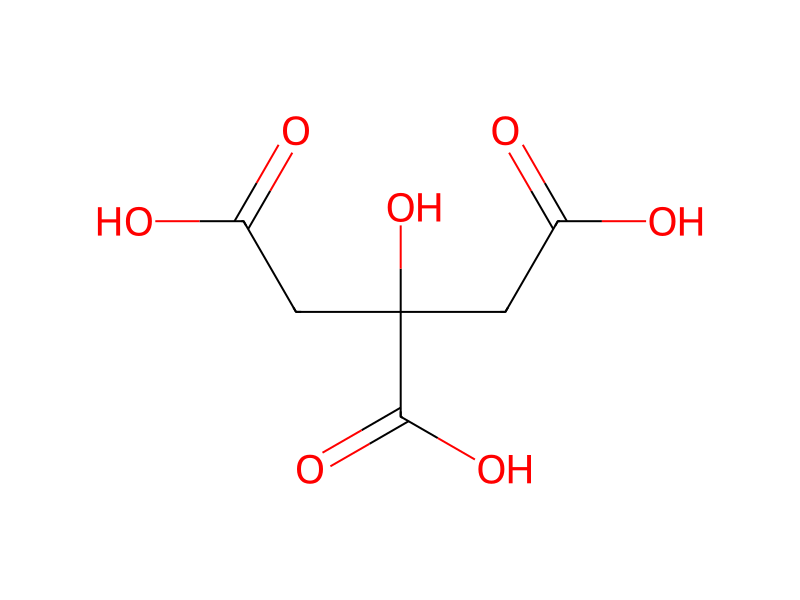
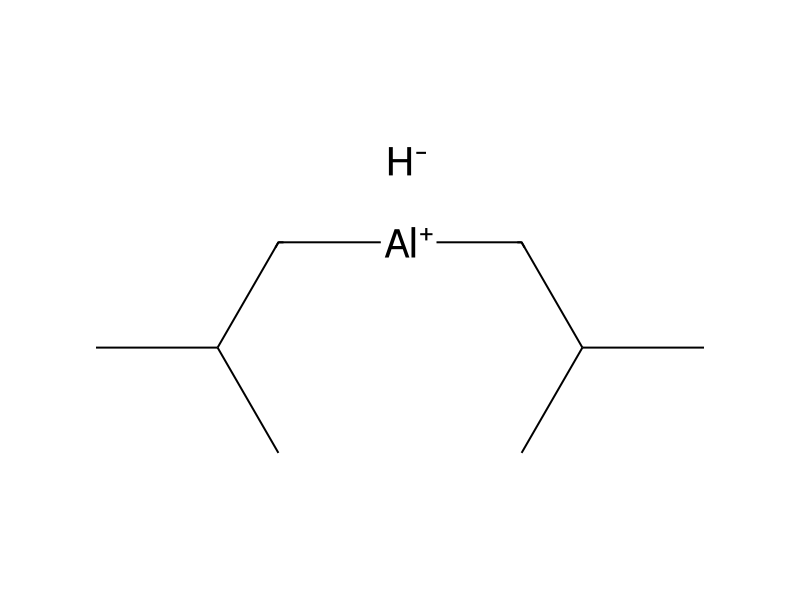
2-(3,4-Dichlorophenyl)-3-(1,3-dioxolan-2-yl)propanenitrile (64 g) (see Preparation 13) was suspended in anhydrous toluene (500 ml) and cooled to −70° C. under a nitrogen atmosphere. Diisobutylaluminium hydride (200 ml of a 1.5M solution in toluene) was then added over 50 minutes, by which time a clear solution was achieved. The mixture was stirred at −70° C. for a further 30 minutes and then allowed to warm slowly to −20° C. Water (24 ml) was carefully added (exothermic reaction) before pouring the mixture into a 15% (by weight) aqueous solution of citric acid (1800 ml). Toluene (100 ml) was added and the mixture was vigorously stirred for 1 hour. The resulting emulsion was filtered through a short column of Arbacel (trade mark) filter aid to give two clear phases which were separated. The organic phase was washed with brine, dried over anhydrous sodium sulphate and the solvent removed under reduced pressure to give 2-(3,4-dichlorophenyl)-3-(1,3-dioxolan-2-yl)propan-1-al as a yellow oil (53.5 g)