P-Xylene → p-(2-Methylbutyl)toluene
HRID 1579821
Reaktionsgleichung

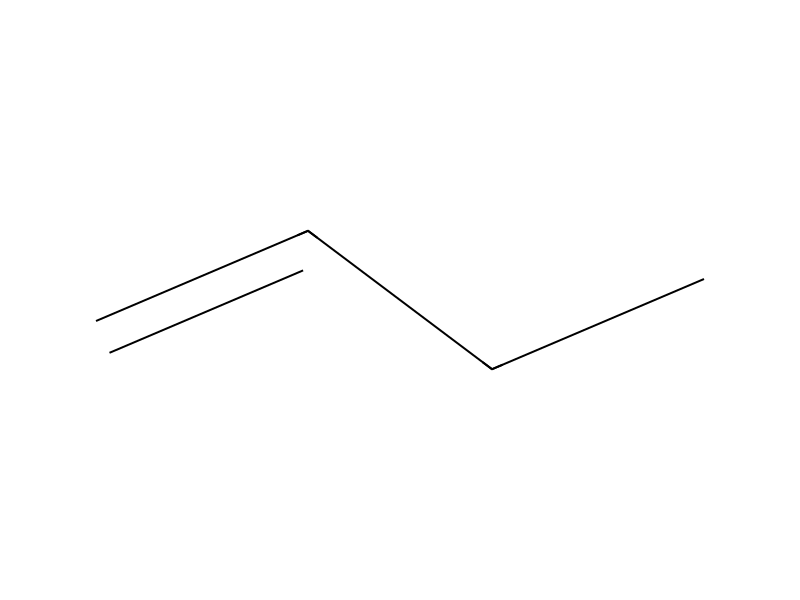
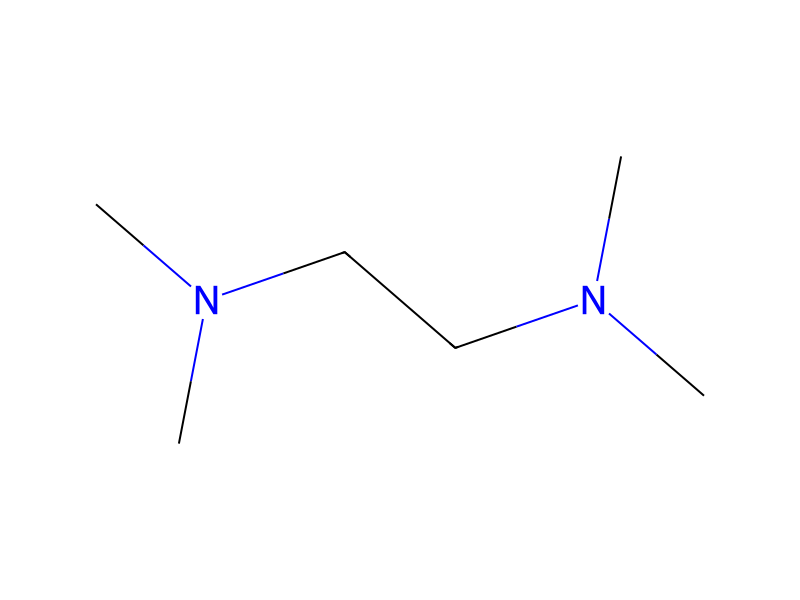
[CH3:1][C:2]1[CH:3]=[CH:4][C:5]([CH3:8])=[CH:6][CH:7]=1.[CH2:9]([Li])[CH2:10][CH2:11][CH3:12].CN(C)CCN(C)C.C=CCC>>[CH3:9][CH:10]([CH2:1][C:2]1[CH:7]=[CH:6][C:5]([CH3:8])=[CH:4][CH:3]=1)[CH2:11][CH3:12]Komponenten
5



Versuchsvorschrift
To 162 mmols of p-xylene were added 7 mmols of n-butyl lithium and 9 mmols of N,N,N',N'-tetramethylethylenediamine, and the mixture was stirred at room temperature for 2 hours, whereupon it turned brilliant orange. The resulting product was placed in an autoclave, and at the same time, 143 mmols of 1-butene was introduced into it. When they were reacted at 80° to 100°C. at an initial pressure of 15 Kg/cm2, the pressure of the inside of the autoclave decreased gradually. After reacting for 5 hours, 3-methyl-4-(p-tolyl) butane was obtained in a selectivity of about 90%. This compound was distilled under reduced pressure to purity it. The resulting product was used in the following Examples.