Reaktionsgleichung

[Br:1][C:2]1[CH:8]=[C:7]([F:9])[C:6]([N:10]2[CH2:15][CH2:14][O:13][CH2:12][CH2:11]2)=[CH:5][C:3]=1[NH2:4].ClOC(C)(C)C.[CH3:22][S:23][CH2:24][C:25](=O)[CH3:26].C(N(CC)CC)C>C(Cl)Cl.O>[CH3:26][C:25]1[NH:4][C:3]2[C:5]([C:24]=1[S:23][CH3:22])=[C:6]([N:10]1[CH2:11][CH2:12][O:13][CH2:14][CH2:15]1)[C:7]([F:9])=[CH:8][C:2]=2[Br:1]Komponenten
Edukt 4

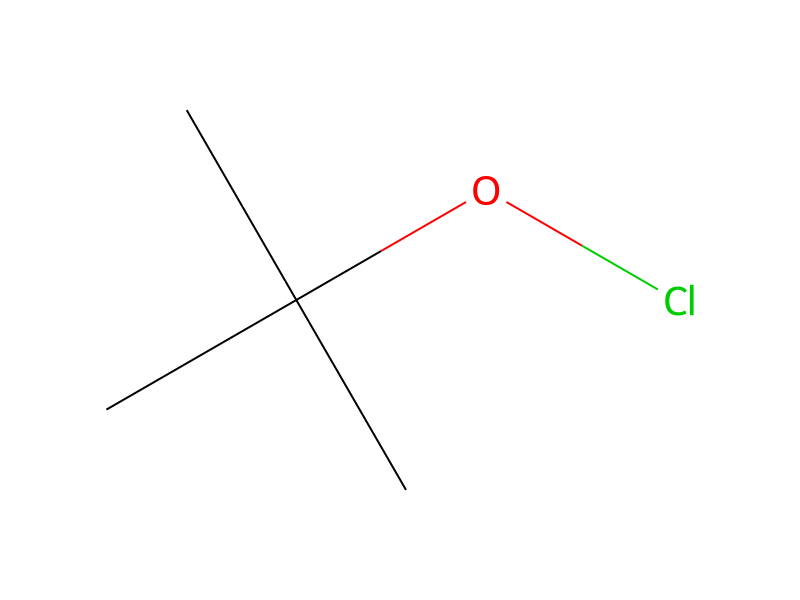


Produkt 1

Reagenzien, Katalysatoren, Lösungsmittel 2


Versuchsvorschrift
A solution of 145 g of 2-bromo-4-fluoro-5-morpholinoaniline in 1 l of methylene chloride and the solution was cooled to a temperature of not higher than -50° C. on a dry ice-acetone bath. At the same temperature as above 60 g of tert-butyl hypochlorite was added dropwise to the solution during which operation the reaction system changed from heterogeneous mixture to homogeneous solution. Then, 67 g of methylthio-2-propanone was added dropwise to the solution and the mixture was reacted at the same temperature as above for 2 hours followed by adding dropwise 80 ml of triethylamine. After completion of addition, the temperature of the mixture was elevated slowly to room temperature. After room temperature was attained 1 l of water was added to separate the methylene chloride layer which then was dried over sodium sulfate and concentrated under reduced pressure to give 150 g of 2-methyl-3-methylthio-5-fluoro-4-morpholino-7-bromoindole.
Aufarbeitung
- customthe mixture was reacted at the same temperature as above for 2 hours
- additionAfter completion of addition
- customwas elevated slowly to room temperature
- customAfter room temperature
- additionwas added
- customto separate the methylene chloride layer which
- dry with materialthen was dried over sodium sulfate
- concentrationconcentrated under reduced pressure
Quellen und Nachweise
- ORD-Eintrag
- ord-e1d2f40abd2e427ea0a895c75dca11d9
- Quelldatensatz
- uspto-grants-1985_11
- Patentnummer
- US04552879
Verknüpfte Notizen
Wird geladen…