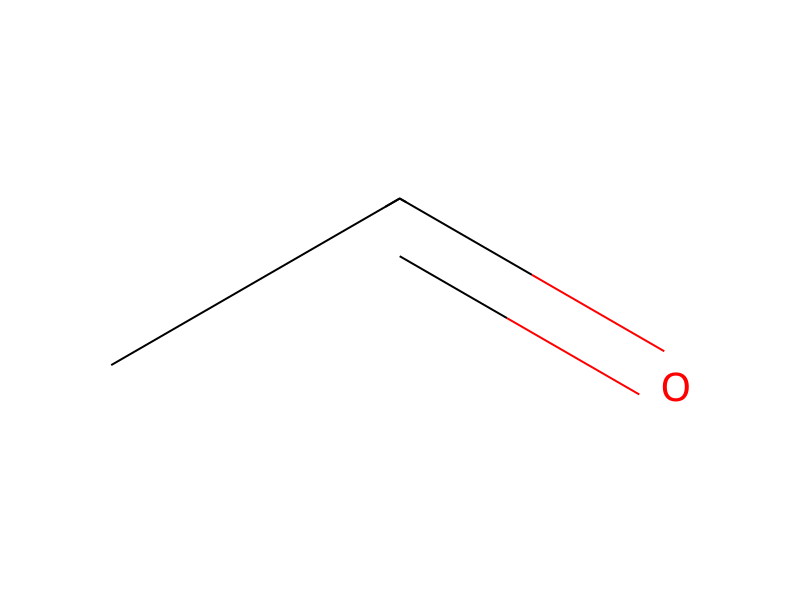
Cl.[NH2:2][C:3]1[C:4]([Cl:24])=[CH:5][C:6]2[C:7](=[O:23])[N:8]([CH:17]3[CH2:22][CH2:21][NH:20][CH2:19][CH2:18]3)[C:9](=[O:16])[C:10]3[C:15]=2[C:14]=1[CH:13]=[CH:12][CH:11]=3.[CH:25](=O)[CH3:26].C([BH3-])#N.[Na+]>CO.O>[NH2:2][C:3]1[C:4]([Cl:24])=[CH:5][C:6]2[C:7](=[O:23])[N:8]([CH:17]3[CH2:18][CH2:19][N:20]([CH2:25][CH3:26])[CH2:21][CH2:22]3)[C:9](=[O:16])[C:10]3[C:15]=2[C:14]=1[CH:13]=[CH:12][CH:11]=3To a solution of 6-amino-5-chloro-2,3-dihydro-2-(piperidin-4-yl)-1H-benz[de]isoquinoline-1,3-dione hydrochloride (0.9 g; 2.46 mmol), prepared as in Example 10, in methanol (30 mL) and water (5 mL), was added acetaldehyde (2 mL) and sodium cyanoborohydride (approximately 0.5 g) and the reaction mixture stirred for two hours. Additional sodium cyanoborohydride (0.4 g) was added and the mixture stirred for an additional 2 hours. The solution was concentrated to a small volume, acidified with concentrated hydrochloric acid, and then digested for 16 hours. Solid potassium carbonate was added and the solution was extracted twice with methylene chloride. The extracts were combined, dried over potassium carbonate, and concentrated. Purification by column chromatography (silica gel; 3% methanol in CH2Cl2 and approximately 1% NH4OH) gave 6-amino-5-chloro-2-(1-ethylpiperidin-4-yl)-2,3-dihydro-1H-benz[de]isoquinoline-1,3-dione (0.6 g; 1.68 mmol).