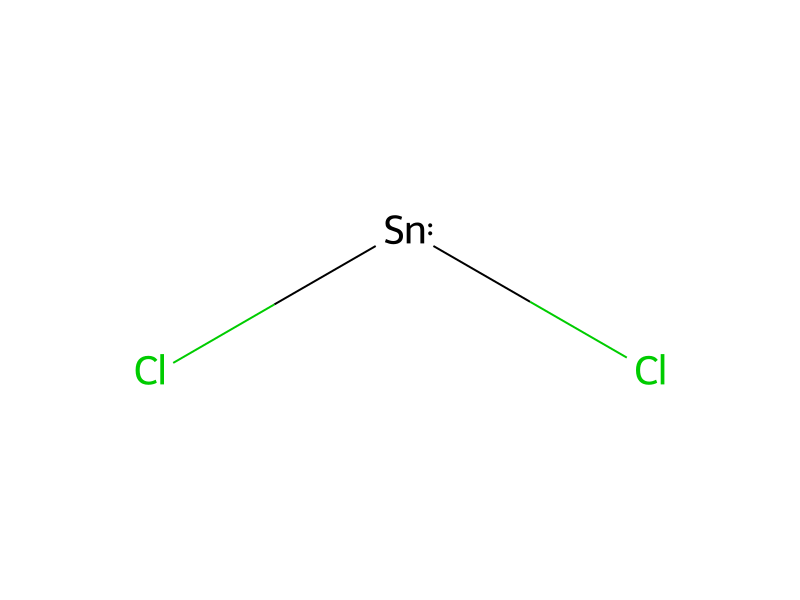
[CH3:1][C:2]1[CH:7]=[CH:6][C:5]([C:8]2[NH:12][C:11]([C:13]3[CH:18]=[CH:17][C:16]([N+:19]([O-])=O)=[CH:15][CH:14]=3)=[N:10][C:9]=2[C:22]([NH:24][C:25]2[S:26][CH:27]=[CH:28][N:29]=2)=[O:23])=[CH:4][CH:3]=1.[Sn](Cl)Cl.O.C(=O)([O-])[O-].[K+].[K+]>CO.Cl>[NH2:19][C:16]1[CH:17]=[CH:18][C:13]([C:11]2[NH:12][C:8]([C:5]3[CH:4]=[CH:3][C:2]([CH3:1])=[CH:7][CH:6]=3)=[C:9]([C:22]([NH:24][C:25]3[S:26][CH:27]=[CH:28][N:29]=3)=[O:23])[N:10]=2)=[CH:14][CH:15]=15-(4-Methylphenyl)-2-(4-nitrophenyl)-N-(2-thiazolyl)-imidazole-4-carboxamide (0.44 g) obtained in Example 19 was suspended in methanol and ice-cooled. To the suspension was added a solution of tin(II) chloride 6 hydrate (1.0 g) in 6 M hydrochloric acid solution (10 ml) and the mixture was refluxed under heating for 2.5 hr. Water was added and the mixture was neutralized with potassium carbonate and extracted with ethyl acetate. The organic layer was washed with water and, after drying, the solvent was evaporated under reduced pressure. The obtained residue was dissolved in ethyl acetate and 1 M hydrochloric acid—ether solution (5 ml) was added. The precipitated crystals were collected by filtration, and the obtained crude crystals were recrystallized from methanol to give 2-(4-aminophenyl)-5-(4-methylphenyl)-N-(2-thiazolyl)imidazole-4-carboxamide (0.28 g), melting point 244° C. (decomposition).