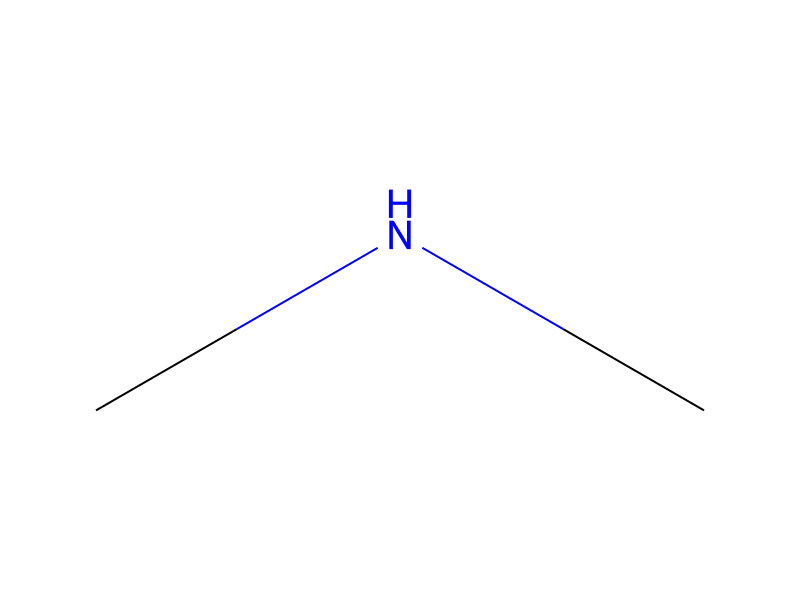
C(Cl)(=O)C(Cl)=O.[CH3:7][O:8][C:9]([C:11]1[CH:12]=[C:13]([CH:17]=[CH:18][C:19]=1[O:20][CH2:21][C:22]1[CH:27]=[CH:26][CH:25]=[CH:24][CH:23]=1)[C:14](O)=[O:15])=[O:10].[CH3:28][NH:29][CH3:30].O>ClCCl.CN(C)C=O>[CH3:28][N:29]([CH3:30])[C:14]([C:13]1[CH:17]=[CH:18][C:19]([O:20][CH2:21][C:22]2[CH:27]=[CH:26][CH:25]=[CH:24][CH:23]=2)=[C:11]([CH:12]=1)[C:9]([O:8][CH3:7])=[O:10])=[O:15]Oxalyl chloride (0.46 ml, 5.24 mmol) was added dropwise to a stirred solution of 3-[(methyloxy)carbonyl]-4-[(phenylmethyl)oxy]benzoic acid (may be prepared as described in Description 49; 300 mg, 1.05 mmol) in dichloromethane (10 ml) and dimethylformamide (3 drops) at room temperature. The mixture was stirred at room temperature for 1 h. The solvent was removed, and the residue was dissolved in dichloromethane (5 ml). This mixture was added to a solution of dimethylamine (716 mg, 5.24 mmol) in dichloromethane (5 ml). The mixture was stirred at room temperature for 2 h. Water (40 ml) was added and the mixture was extracted with dichloromethane (3×60 ml). The organic phase was washed with saturated brine (25 ml), dried over sodium sulfate, and evaporated in vacuo to give the crude product as colourless oil. The crude product was used directly in the next step without further purification.
Wird geladen…