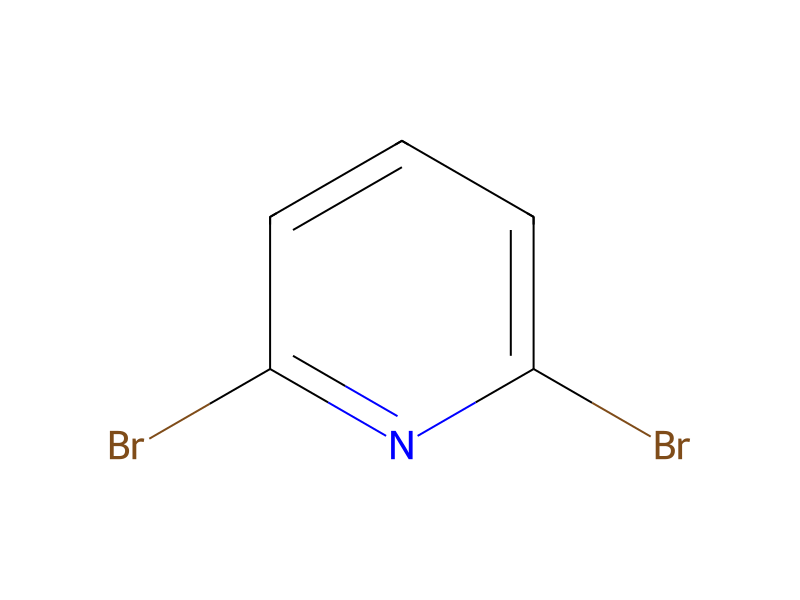
C1(P(C2C=CC=CC=2)C2C=CC=CC=2)C=CC=CC=1.Br[C:21]1[CH:26]=[CH:25][CH:24]=[C:23]([Br:27])[N:22]=1.[C:28]1([C@@H:34]([NH:36][C:37](=[O:40])[CH:38]=[CH2:39])[CH3:35])[CH:33]=[CH:32][CH:31]=[CH:30][CH:29]=1.C(N(CC)CC)C>CN(C=O)C.C([O-])(=O)C.[Pd+2].C([O-])(=O)C>[Br:27][C:23]1[N:22]=[C:21](/[CH:39]=[CH:38]/[C:37]([NH:36][C@H:34]([C:28]2[CH:29]=[CH:30][CH:31]=[CH:32][CH:33]=2)[CH3:35])=[O:40])[CH:26]=[CH:25][CH:24]=1To the solution of triphenylphosphine (0.496 mmol) in DMF (10 mL), a palladium acetate (0.245 mmol) was added at room temperature under argon atmosphere. The mixture was stirred for 5 min then 2,6-dibromopyridine (12.7 mmol) followed by N-((S)-1-phenylethyl)acrylamide (14.0 mmol) and triethylamine (35.9 mmol) were added and the reaction mixture was stirred at 140° C. for 7 hr. The majority of the solvent was removed under diminished pressure. Diluted HCl was added and the product was extracted with ethyl acetate. Organic layers were combined, washed with brine, dried over sodium sulfate. Drying agent and solvent was removed and product was purified by column chromatography using hexanes and hexanes:ethyl acetate 2:1 as eluents, to give pure product with a good yield.
Wird geladen…