Isobutyrophenone → HCID 23052300, Verbindung
HRID 1650673
Reaktionsgleichung

Cl.[NH:2]([C:4]1[CH:9]=[CH:8][C:7]([C:10]2[CH2:11][CH2:12][C:13](=[O:16])[NH:14][N:15]=2)=[CH:6][CH:5]=1)N.[CH3:17][CH:18]([CH3:27])[C:19]([C:21]1[CH:26]=[CH:25][CH:24]=[CH:23][CH:22]=1)=O>C(O)(=O)C>[C:21]1([C:19]2[C:18]([CH3:27])([CH3:17])[C:9]3[C:4](=[CH:5][CH:6]=[C:7]([C:10]4[CH2:11][CH2:12][C:13](=[O:16])[NH:14][N:15]=4)[CH:8]=3)[N:2]=2)[CH:26]=[CH:25][CH:24]=[CH:23][CH:22]=1Komponenten
4
Edukt 2
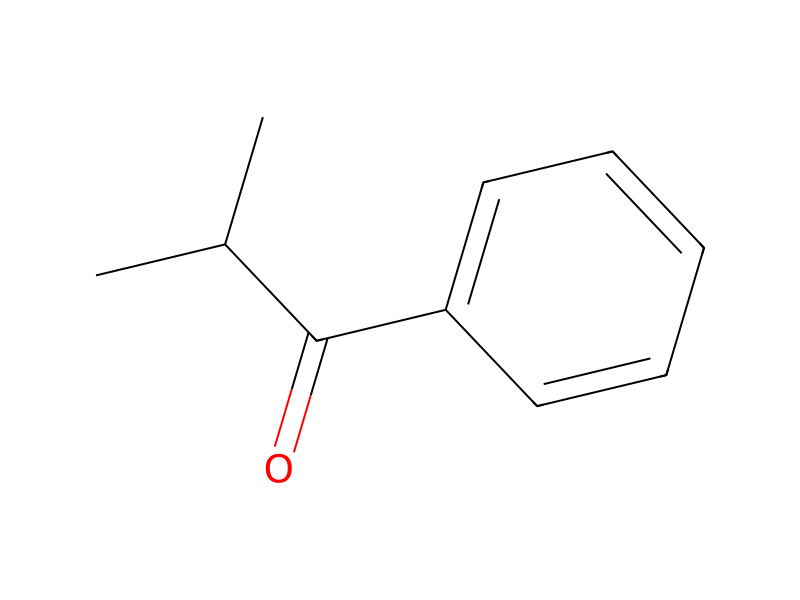

Produkt 1

Reagenzien, Katalysatoren, Lösungsmittel 1

Versuchsvorschrift
3 g. (12.5 mMole) 6-(4-hydrazinophenyl)-2,3,4,5-tetrahydropyridazin-3-one hydrochloride, 2.4 g. (16.2 mMole) α-methylpropiophenone and 40 ml. glacial acetic acid were stirred for 8 hours at 100° C. under an atmosphere of nitrogen. The glacial acetic acid was subsequently distilled off and the residue suspended in water, neutralised and filtered with suction. After recrystallisation from ethanol, there was obtained 1.6 g. (40% of theory) of the title compound; m.p. 200°-201° C.