StartseiteMCPWorkbenchSkills
StartseiteWorkbenchBenachrichtigungenMein Bereich
llms.txt · MCP-AnleitungDatenschutz · Nutzungsbedingungen · Supportv1.8.0
  1. Startseite
  2. /Reaktion

Hydrochloric Acid → HCID 21530398, Verbindung

HRID 1657814
Notizen
Druckvorschau

Reaktionsgleichung

Reaktionsgleichung von HRID 1657814
N1([C:6]2[C:12]3[CH:13]=[CH:14][CH:15]=[CH:16][C:11]=3[S:10](=[O:18])(=[O:17])[CH2:9][CH2:8][CH:7]=2)CCCC1.[C:19](Cl)(Cl)=[O:20].[NH2:23][C:24]1[CH:29]=[CH:28][CH:27]=[CH:26][N:25]=1.Cl.[O:31]1CCCC1>C(O)(=O)C.C(N(CC)CC)C>[O:31]=[C:6]1[C:12]2[CH:13]=[CH:14][CH:15]=[CH:16][C:11]=2[S:10](=[O:17])(=[O:18])[CH2:9][CH2:8][CH:7]1[C:19]([NH:23][C:24]1[CH:29]=[CH:28][CH:27]=[CH:26][N:25]=1)=[O:20]
KomponentenVersuchsvorschriftAufarbeitungQuellen und NachweiseNotizen zur Reaktion

Komponenten

8

Edukt 5

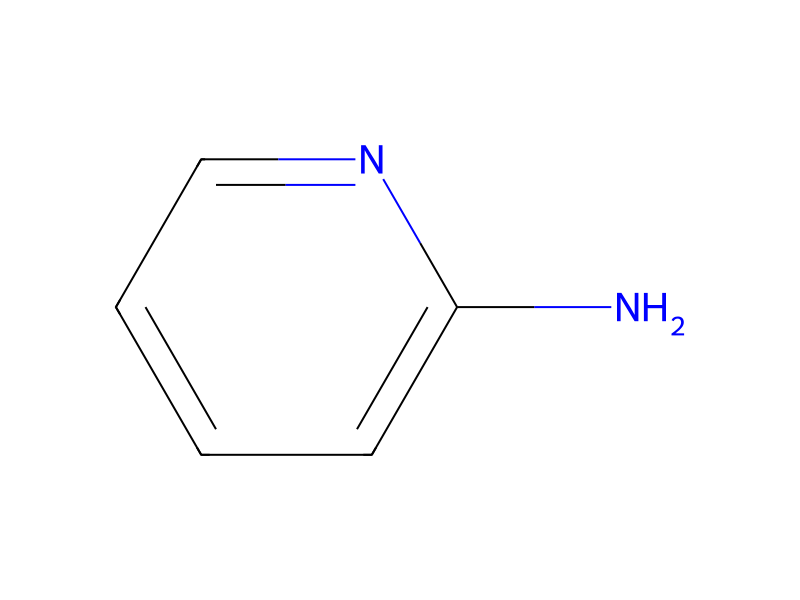
HCID 313Hydrochloric AcidHCID 6371PhosgeneHCID 8028TetrahydrofuranHCID 104392-AminopyridineHCID 21530393HCID 21530393, Verbindung

Produkt 1

HCID 21530398HCID 21530398, Verbindung

Reagenzien, Katalysatoren, Lösungsmittel 2

HCID 176
Acetic Acid
Lösungsmittel
HCID 8471TriethylamineLösungsmittel2×

Versuchsvorschrift

The reaction of 0.1 mol of crude 2,3-dihydro-5-(1-pyrrolidinyl)-1-benzothiepin 1,1-dioxide with phosgene and triethylamine was carried out as described in example 2. The mixture containing the resulting acid chloride was cooled to -50° and a solution of 11.09 g (0.11 mol) of 2-aminopyridine and 13 g (0.15 mol) of triethylamine in 50 ml of tetrahydrofuran was added slowly. The reaction mixture was allowed to slowly warm to room temperature and then stirred for 20 hours. It was decomposed with ice water and extracted with dichloromethane. Evaporation of the dichloromethane gave an oily residue which was heated on a steam bath with a mixture of 200 ml of glacial acetic acid and 100 ml of 1N hydrochloric acid for 45 minutes. The mixture was diluted with ice-water and extracted with dichloromethane. The dichloromethane solution was extracted with 2N sodium hydroxide and the alkaline solution was carefully acidified to pH 5.0 to cause separation of a semi-solid which was repeatedly extracted with dichloromethane (total volume 2000 ml). The dichloromethane layer was washed well with water and dried over sodium sulfate. Evaporation of the solvent gave an oil which was triturated with dichloromethaneether to give 8.5 g of material, mp 105°-115°. Recrystallization from 250 ml of methanol gave 7.3 g of product, mp 168°-171°.


Aufarbeitung

  1. temperaturewas cooled to -50°
  2. extractionextracted with dichloromethane
  3. customEvaporation of the dichloromethane
  4. customgave an oily residue which
  5. extractionextracted with dichloromethane
  6. extractionThe dichloromethane solution was extracted with 2N sodium hydroxide
  7. customseparation of a semi-solid which
  8. extractionwas repeatedly extracted with dichloromethane (total volume 2000 ml)
  9. washThe dichloromethane layer was washed well with water
  10. dry with materialdried over sodium sulfate
  11. customEvaporation of the solvent
  12. customgave an oil which
  13. customwas triturated with dichloromethaneether

Quellen und Nachweise

ORD-Eintrag
ord-179cfd21aeb845f1b096ba7cb1f04152
Quelldatensatz
uspto-grants-1976_06
DOI
10.6084/m9.figshare.5104873.v1
Patentnummer
US03962261

Notizen zur Reaktion

Wird geladen…

Auf dieser SeiteKomponentenVersuchsvorschriftAufarbeitungQuellen und NachweiseNotizen zur Reaktion