StartseiteMCPWorkbenchSkills
StartseiteWorkbenchBenachrichtigungenMein Bereich
llms.txt · MCP-AnleitungDatenschutz · Nutzungsbedingungen · Supportv1.8.3
  1. Startseite
  2. /Reaktion

1-Pyrrolidinamine → HCID 57970088, Verbindung

HRID 1666618
Drucken

Reaktionsgleichung

Reaktionsgleichung von HRID 1666618
NN1CCCC1.Cl[C:8]1[CH:17]=[C:16]([N:18]2[CH2:23][CH2:22][O:21][CH2:20][CH2:19]2)[C:15]2[C:10](=[CH:11][CH:12]=[C:13]([O:24][CH3:25])[CH:14]=2)[N:9]=1.Cl.[NH2:27][C@H:28]1[CH2:32][CH2:31][N:30]([C:33](=[O:46])[CH2:34][C:35]2[CH:40]=[CH:39][C:38]([O:41][C:42]([F:45])([F:44])[F:43])=[CH:37][CH:36]=2)[CH2:29]1.CC(C)([O-])C.[Na+]>C(OCC)(=O)C.O.C1C=CC(/C=C/C(/C=C/C2C=CC=CC=2)=O)=CC=1.C1C=CC(/C=C/C(/C=C/C2C=CC=CC=2)=O)=CC=1.C1C=CC(/C=C/C(/C=C/C2C=CC=CC=2)=O)=CC=1.[Pd].[Pd].O1CCOCC1>[CH3:25][O:24][C:13]1[CH:14]=[C:15]2[C:10](=[CH:11][CH:12]=1)[N:9]=[C:8]([NH:27][C@H:28]1[CH2:32][CH2:31][N:30]([C:33](=[O:46])[CH2:34][C:35]3[CH:36]=[CH:37][C:38]([O:41][C:42]([F:43])([F:44])[F:45])=[CH:39][CH:40]=3)[CH2:29]1)[CH:17]=[C:16]2[N:18]1[CH2:23][CH2:22][O:21][CH2:20][CH2:19]1
KomponentenReaktionsbedingungenVersuchsvorschriftAufarbeitungQuellen und NachweiseNotizen zur Reaktion

Komponenten

9

Edukt 4

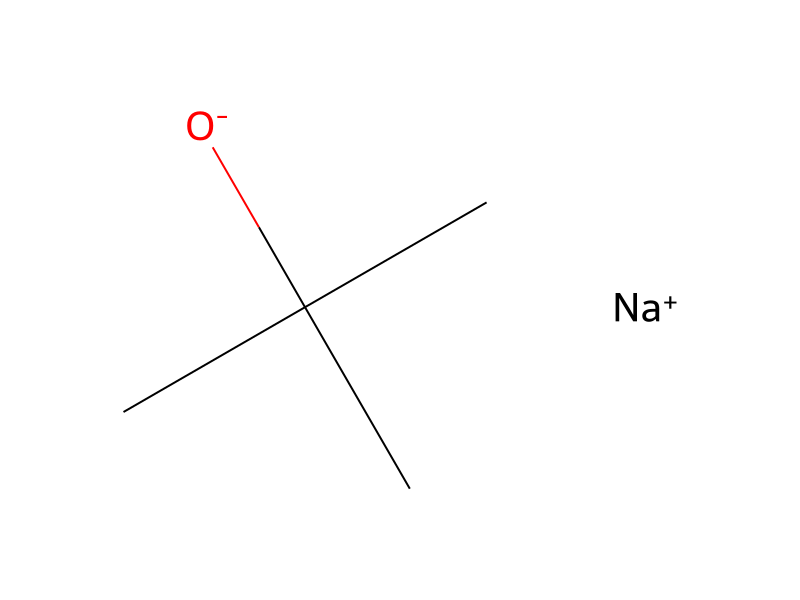
HCID 279461-PyrrolidinamineHCID 23676156Sodium t-butoxideHCID 57970122HCID 57970122, VerbindungHCID 86636479(S)-1-(3-aminopyrrolidin-1-yl)-2-(4-trifluoromethoxyphenyl)ethanone mono hydrochloride

Produkt 1

HCID 57970088HCID 57970088, VerbindungAusbeute 26,6 %

Reagenzien, Katalysatoren, Lösungsmittel

4
HCID 9811564Bis(dibenzylideneacetone)palladiumKatalysatorHCID 962WaterLösungsmittelHCID 8857Ethyl AcetateLösungsmittelHCID 312751,4-DioxaneLösungsmittel

Reaktionsbedingungen

Temperatur
70 °C

Versuchsvorschrift

A mixture of 2,4-dichloro-6-methoxyquinoline (0.228 g), morpholine (262 μL), N,N-diisopropylethylamine (348 μL), and ethylene glycol (4 mL) was heated with microwave (145° C.) for 75 min with stirring. The reaction mixture was cooled to room temperature, followed by addition of water, the mixture was extracted with chloroform and washed with saturated brine, and the organic layer was dried with anhydrous sodium sulfate. The desiccant was removed by filtration, the residue concentrated under reduced pressure was purified by silica gel column chromatography (chloroform/hexane=1/1) to obtain 2-chloro-6-methoxy-4-morpholinoquinoline (0.182 g). (2) To a mixture of 2-chloro-6-methoxy-4-morpholinoquinoline (0.160 g), Pd2(dba)3 (0.026 g), (±)-BINAP (0.054 g), (S)-1-(3-aminopyrrolidin-1-yl)-2-(4-trifluoromethoxyphenyl)ethanone mono hydrochloride (0.210 g), and 1,4-dioxane (3 mL) was added sodium t-butoxide (0.111 g) under nitrogen atmosphere, and the mixture was stirred at 70° C. for 1.5 h. After cooled to room temperature, the reaction mixture was diluted with ethyl acetate and water, the interlayer was removed by Celite filtration, and the organic layer was washed with saturated brine. The organic layer was dried with anhydrous magnesium sulfate, the desiccant was removed by filtration, the filtrate was concentrated under reduced pressure, and the residue was purified by silica gel column chromatography (silica gel, chloroform/methanol, and NH silica gel, ethyl acetate/hexane) to obtain light yellow amorphous (S)-1-(3-(6-methoxy-4-morpholinoquinolin-2-ylamino)pyrrolidin-1-yl)-2-(4-trifluoromethoxyphenyl)ethanone (0.081 g).

Aufarbeitung

  1. temperatureAfter cooled to room temperature
  2. customthe interlayer was removed by Celite filtration
  3. washthe organic layer was washed with saturated brine
  4. dry with materialThe organic layer was dried with anhydrous magnesium sulfate
  5. customthe desiccant was removed by filtration
  6. concentrationthe filtrate was concentrated under reduced pressure
  7. customthe residue was purified by silica gel column chromatography (silica gel, chloroform/methanol, and NH silica gel, ethyl acetate/hexane)

Quellen und Nachweise

ORD-Eintrag
ord-7e0ef437a94e435094615613ad919d2f
Quelldatensatz
uspto-grants-2011_10
DOI
10.6084/m9.figshare.5104873.v1
Patentnummer
US08044068B2

Notizen zur Reaktion

Auf dieser SeiteKomponentenReaktionsbedingungenVersuchsvorschriftAufarbeitungQuellen und NachweiseNotizen zur Reaktion