StartseiteMCPWorkbenchSkills
StartseiteWorkbenchBenachrichtigungenMein Bereich
llms.txt · MCP-AnleitungDatenschutz · Nutzungsbedingungen · Supportv1.8.0
  1. Startseite
  2. /Reaktion

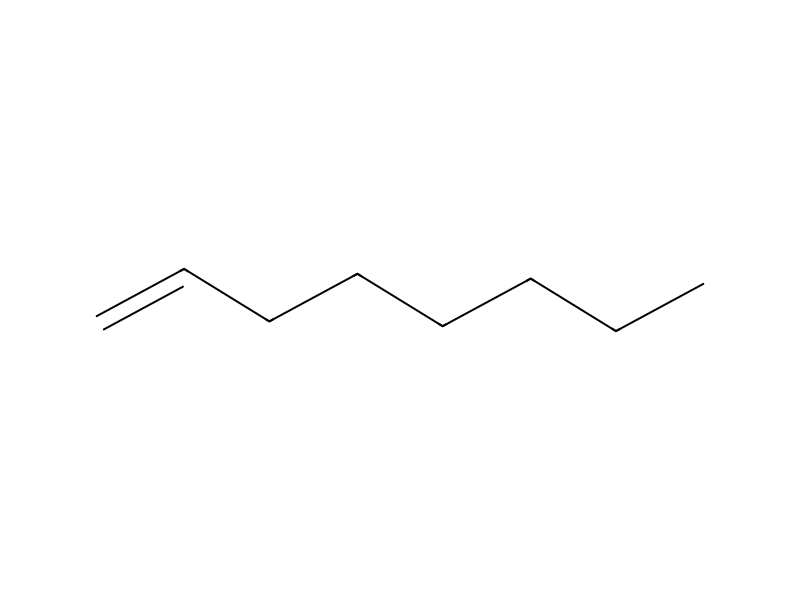
1-Octene → Ethylene

HRID 16725
Notizen
Druckvorschau

Reaktionsgleichung

Reaktionsgleichung von HRID 16725
[Sn](Cl)(Cl)(Cl)Cl.[Sn](Br)(Br)(Br)Br.[Sn](I)(I)(I)I.[Cl-].[Ce+3].[Cl-].[Cl-].[Sb](Cl)(Cl)Cl.[Cl-].[Cl-].[Ga+2].[Cl-].[Cl-].[Cl-].[Al+3].[CH2:31]=[CH:32][CH2:33][CH2:34][CH2:35][CH2:36][CH2:37][CH3:38]>[Fe](Cl)Cl.[Fe](Br)Br.[Fe](Cl)(Cl)Cl>[CH3:31][CH2:32][CH2:33][CH2:34][CH2:35][CH2:36][CH:37]=[CH:38][CH2:31][CH2:32][CH2:33][CH2:34][CH2:35][CH3:36].[CH2:31]=[CH2:32]
KomponentenVersuchsvorschriftAufarbeitungQuellen und NachweiseNotizen zur Reaktion

Komponenten

13

Edukt 8

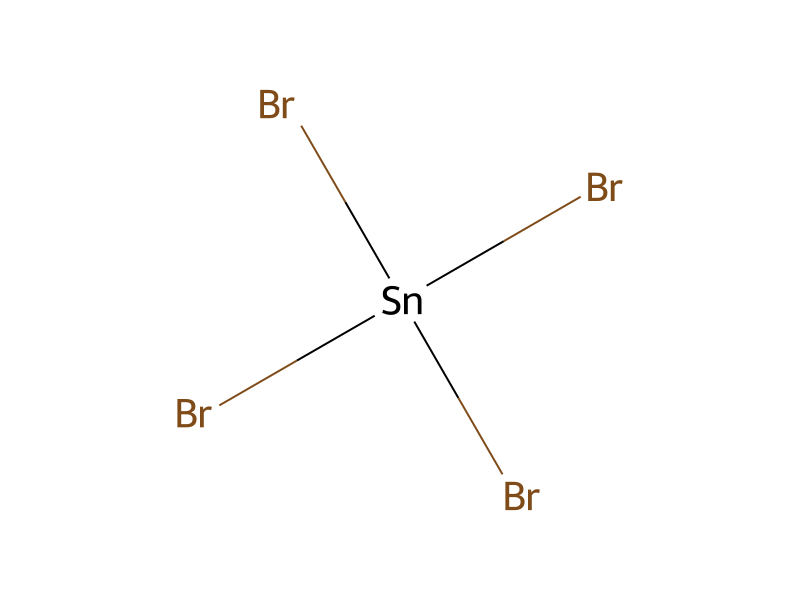
HCID 81251-OcteneHCID 24287Tin tetrachlorideHCID 24616Stannane, tetrabromo-HCID 24631Stannic iodideHCID 24636Cerium(III) chlorideHCID 24814Antimony trichlorideHCID 6451240Aluminum(III) Chloride
HCID 178478647
HCID 178478647, Verbindung

Produkt 2

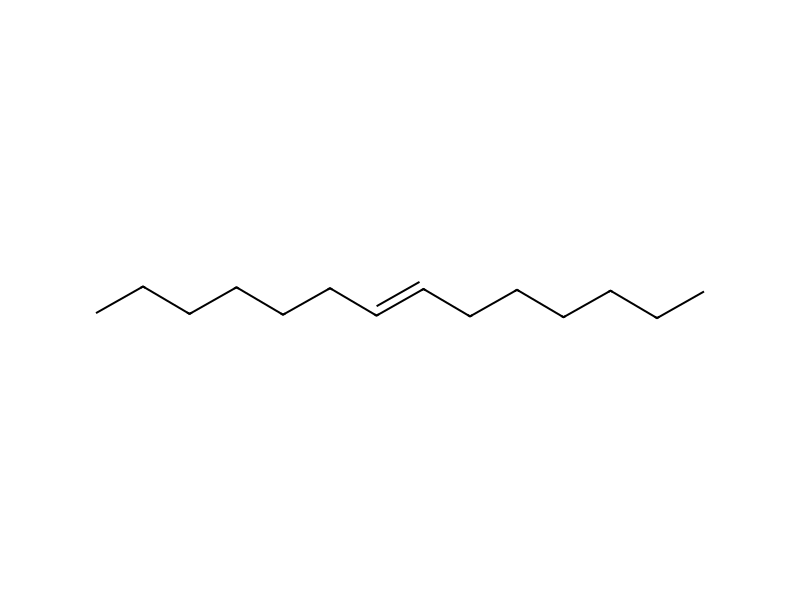
HCID 6325EthyleneHCID 25209Tetradec-7-ene

Reagenzien, Katalysatoren, Lösungsmittel 3

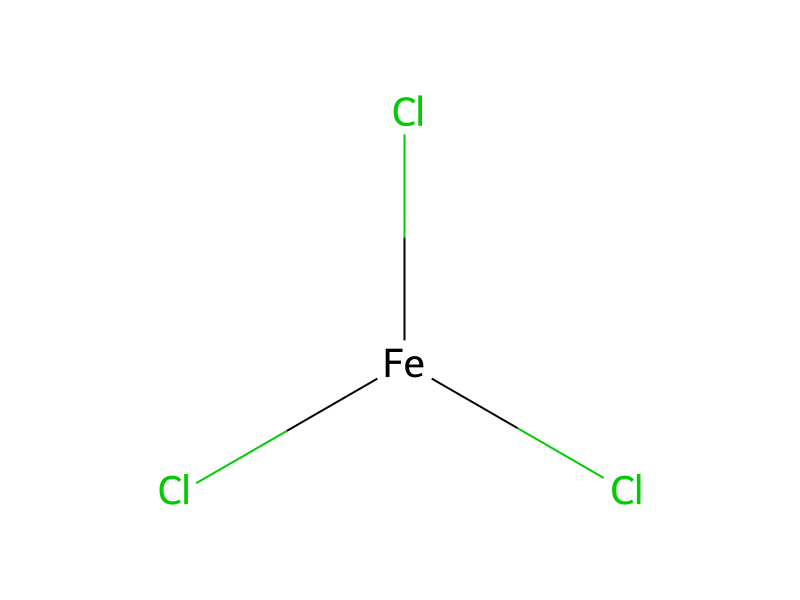
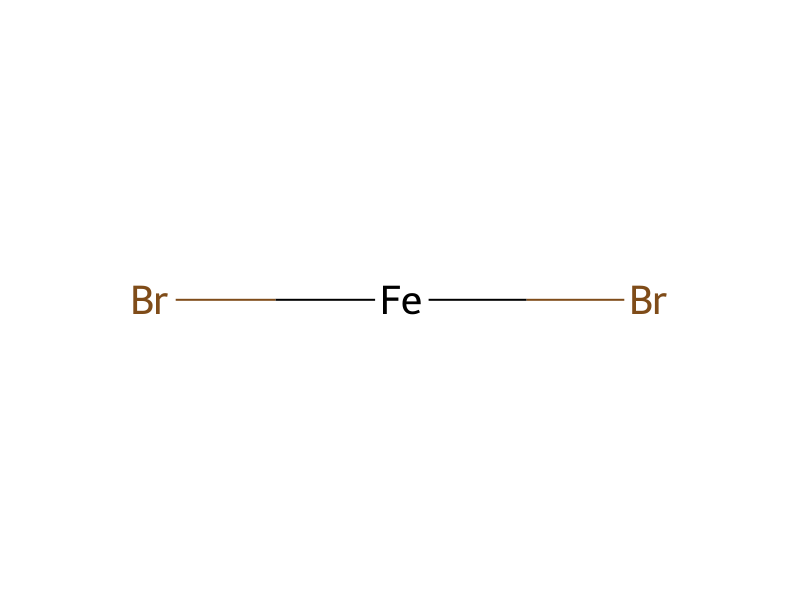
HCID 24380Iron chloride (FeCl3)KatalysatorHCID 24458Ferrous ChlorideKatalysatorHCID 425646Iron bromide (FeBr2)Katalysator

Versuchsvorschrift

The increase in the activity of metathesis catalysts by means of salts was likewise examined in Inorganica Chimica Acta 359 (2006) 2910-2917. The influences of tin chloride, tin bromide, tin iodide, iron(II) chloride, iron(II) bromide, iron(III) chloride, cerium(III) chloride*7H2O, ytterbium(H) chloride, antimony trichloride, gallium dichloride and aluminium trichloride on the self-metathesis of 1-octene to form 7-tetradecene and ethylene were studied. When the Grubbs (I) catalyst was used, a significant improvement in the conversion of 7-tetradecene was observed on addition of tin chloride or tin bromide (Table 1). Without the addition of a salt, a conversion of 25.8% was achieved, when SnCl2*2H2O was added the conversion rose to 68.5% and when tin bromide was added it rose to 71.9%. Addition of tin iodide significantly reduced the conversion from 25.8% to 4.1%. However, in combination with the Grubbs (II) catalyst, all three tin salts lead to only slight improvements in conversion from 76.3% (reference experiment without addition) to 78.1% (SnCl2), to 79.5% (SnBr2) and 77.6% (SnI2). When the “Phobcats” [Ru(phobCy)2Cl2 (=ChPh)] is used, the conversion is reduced from 87.9% to 80.8% by addition of SnCl2, to 81.6% by addition of SnBr2 and to 73.9% by addition of SnI2. When iron(II) salts are used in combination with the Grubbs (1) catalyst, the increase in conversion when iron(II) bromide is used is higher than when iron(II) chloride is used. It may be noted that regardless of the type of catalyst used, the conversion is always higher when bromides are used than when the corresponding chlorides are used.

Aufarbeitung

  1. temperatureThe increase in the activity of metathesis catalysts by means of salts

Quellen und Nachweise

ORD-Eintrag
ord-6902ef0e9d6c44ad823a509503be47e9
Quelldatensatz
uspto-grants-2010_06
DOI
10.6084/m9.figshare.5104873.v1
Patentnummer
US07737233B2

Notizen zur Reaktion

Wird geladen…

Auf dieser SeiteKomponentenVersuchsvorschriftAufarbeitungQuellen und NachweiseNotizen zur Reaktion