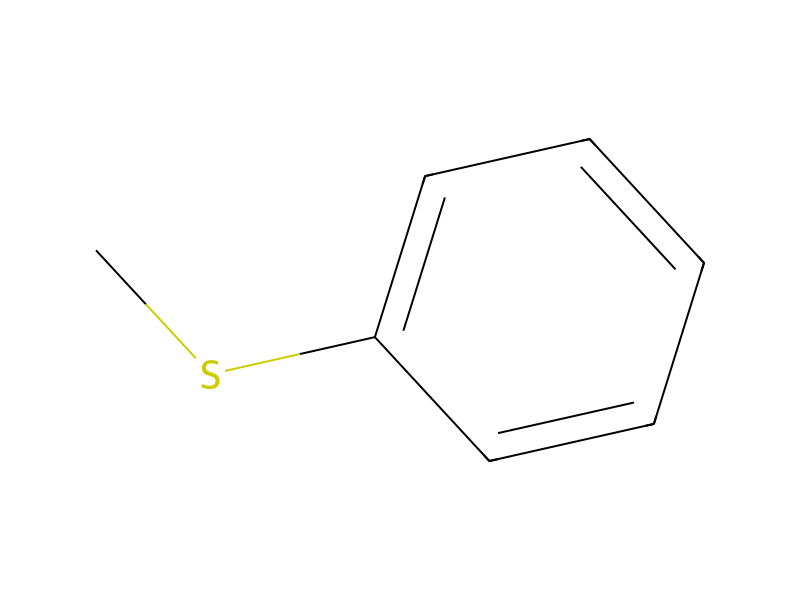
[Br:1][C:2]1[CH:3]=[C:4]2[C:9](=[CH:10][CH:11]=1)[N:8]=[CH:7][CH:6]=[C:5]2Cl.C([O:20][C:21]1[CH:22]=[CH:23][C:24]([CH3:28])=[C:25]([OH:27])[CH:26]=1)C1C=CC=CC=1.C(=O)([O-])[O-].[K+].[K+].C1(SC)C=CC=CC=1>C(#N)C.O>[Br:1][C:2]1[CH:3]=[C:4]2[C:9](=[CH:10][CH:11]=1)[N:8]=[CH:7][CH:6]=[C:5]2[O:27][C:25]1[CH:26]=[C:21]([OH:20])[CH:22]=[CH:23][C:24]=1[CH3:28]141 mg (0.58 mmol) of 6-bromo-4-chloroquinoline and 150 mg (0.7 mmol) 5-(benzyloxy)-2-methylphenol in 5 ml acetonitrile are mixed with 97 mg (0.7 mmol) of potassium carbonate and heated in the microwave oven to 150° C. for 3 h. The mixture is diluted with water and then extracted with ethyl acetate. The organic layers are washed with brine and dried over sodium sulfate. The solvent is evaporated and the resulting residue is dissolved in 5 ml TFA. 54 mg (0.44 mmol) thioanisole is added and the mixture is stirred over night. The solvent is evaporated, the resulting residue is dissolved in ethyl acetate and washed with sat. NaHCO3 and brine. The organic layers are dried over sodium sulfate, the solvent is evaporated and the resulting residue is purified by preparative HPLC. 90 mg (46%) of the desired product are obtained