StartseiteMCPWorkbenchSkills
StartseiteWorkbenchBenachrichtigungenMein Bereich
llms.txt · MCP-AnleitungDatenschutz · Nutzungsbedingungen · Supportv1.8.3
  1. Startseite
  2. /Reaktion

Acetonitrile → 1-ethyl-3-(4-((R)-4-((S)-3-methylmorpholino)-5,6,8,9,10,10a-hexahydropyrimido[5,4-g]indolizin-2-yl)phenyl)urea

HRID 1698021
Drucken

Reaktionsgleichung

Reaktionsgleichung von HRID 1698021
[CH2:1]([NH:3][C:4]([NH:6][C:7]1[CH:12]=[CH:11][C:10]([C:13]2[N:14]=[C:15]([N:26]3[CH2:31][CH2:30][O:29][CH2:28][C@@H:27]3[CH3:32])[C:16]3[CH2:17][CH2:18][N:19]4[C@H:23]([C:24]=3[N:25]=2)[CH2:22][CH2:21][CH2:20]4)=[CH:9][CH:8]=1)=[O:5])[CH3:2].B(O)O.C([O-])(=O)C.[K+].C(#N)C>O.C1C=CC([P]([Pd]([P](C2C=CC=CC=2)(C2C=CC=CC=2)C2C=CC=CC=2)([P](C2C=CC=CC=2)(C2C=CC=CC=2)C2C=CC=CC=2)[P](C2C=CC=CC=2)(C2C=CC=CC=2)C2C=CC=CC=2)(C2C=CC=CC=2)C2C=CC=CC=2)=CC=1>[CH2:1]([NH:3][C:4]([NH:6][C:7]1[CH:8]=[CH:9][C:10]([C:13]2[N:14]=[C:15]([N:26]3[CH2:31][CH2:30][O:29][CH2:28][C@@H:27]3[CH3:32])[C:16]3[CH2:17][CH2:18][N:19]4[C@@H:23]([C:24]=3[N:25]=2)[CH2:22][CH2:21][CH2:20]4)=[CH:11][CH:12]=1)=[O:5])[CH3:2]
KomponentenReaktionsbedingungenVersuchsvorschriftAufarbeitungQuellen und NachweiseNotizen zur Reaktion

Komponenten

7

Edukt 4

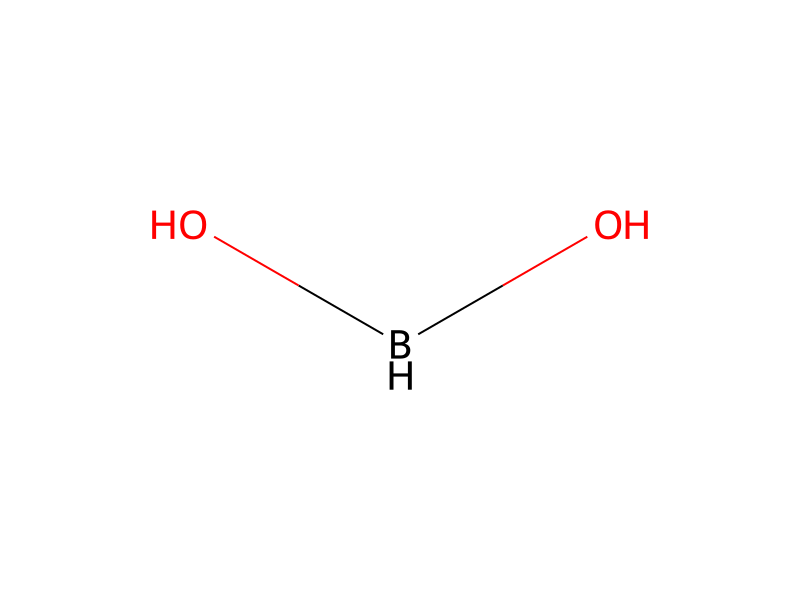
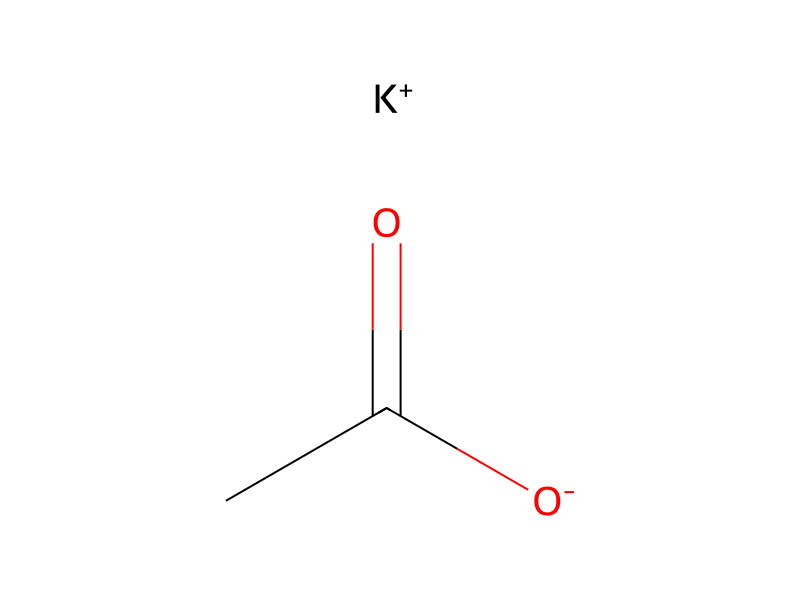
HCID 6342AcetonitrileHCID 61668Boronic AcidHCID 517044Potassium AcetateHCID 67177645HCID 67177645, Verbindung

Produkt 1

HCID 671766431-ethyl-3-(4-((R)-4-((S)-3-methylmorpholino)-5,6,8,9,10,10a-hexahydropyrimido[5,4-g]indolizin-2-yl)phenyl)urea

Reagenzien, Katalysatoren, Lösungsmittel 2

HCID 178418397
HCID 178418397, Verbindung
Katalysator
2×
HCID 962WaterLösungsmittel2×

Reaktionsbedingungen

Temperatur
90 °C

Versuchsvorschrift

and 1-ethyl-3-(4-((S)-4-((S)-3-methylmorpholino)-5,6,8,9,10,10a-hexahydropyrimido[5,4-g]indolizin-2-yl)phenyl)urea (wq2): [4-Ethylureido)phenyl]boronic acid, pinacol ester (0.287 g, 0.000989 mol) (3S)-4-(2-chloro-5,6,8,9,10,10a-hexahydropyrimido[5,4-g]indolizin-4-yl)-3-methylmorpholine (0.251 g, 0.000813 mol), Tetrakis(triphenylphosphine)palladium(0) (0.04696 g, 4.064E-5 mol) Sodium carbonate (0.138 g, 0.00130 mol) and Potassium acetate (0.145 g, 0.00148 mol) were combined, nitrogen purged three times, added dry Acetonitrile (7.00 mL, 0.134 mol) followed by deoxygenated Water (4.00 mL, 0.222 mol), heated at 90° C. and stirred overnight. Added Tetrakis(triphenylphosphine)palladium(0) (0.062 g, 0.000054 mol) Sodium carbonate (0.059 g, 0.00056 mol) Potassium acetate (0.061 g, 0.00062 mol) Acetonitrile (3.50 mL, 0.0670 mol). The reaction mixture was heated at 120° C. for 8 hours. The reaction mixture was cooled to room temperature, diluted with water, extracted three times with 10% MeOH in dichloromethane, dried over Magnesium sulfate, filtered, concentrated, and, chromatographed through silica gel (12 g, 0-10% MeOH in dichloromethane), purified by HPLC, and the diastereomers were separated by SFC. R-Diastereomer (wq1): 1H NMR (400 MHz, DMSO) δ 8.66 (s, 1H), 8.16 (t, J=9.2, 2H), 7.47 (d, J=8.8, 2H), 6.18 (t, J=5.5, 1H), 4.16-4.05 (m, 1H), 3.86 (d, J=11.2, 1H), 3.78-3.66 (m, 2H), 3.65-3.54 (m, 2H), 3.49-3.40 (m, 2H), 3.17-3.06 (m, 2H), 3.05-2.89 (m, 3H), 2.87-2.75 (m, 1H), 2.75-2.60 (m, 2H), 2.37 (dd, J=15.5, 7.5, 1H), 1.84-1.71 (m, 3H), 1.17 (d, J=6.6, 3H), 1.12 (t, J=7.2, 2H). LC/MS-m/z+437.2 (M+H)+; S-Diastereomer (wq2): 1H NMR (400 MHz, DMSO) δ 8.64 (s, 1H), 8.17 (d, J=8.7, 2H), 7.48 (d, J=8.7, 2H), 6.17 (t, J=5.3, 1H), 4.06 (s, 1H), 3.87 (d, J=11.2, 1H), 3.77 (d, J=7.7, 1H), 3.64 (dd, J=19.2, 10.4, 4H), 3.43-3.34 (m, 2H), 3.19-3.07 (m, 2H), 2.90 (dd, J=14.5, 8.1, 2H), 2.84-2.73 (m, 2H), 2.69 (d, J=10.8, 1H), 2.35 (d, J=8.5, 1H), 1.85-1.68 (m, 3H), 1.30 (d, J=6.6, 3H), 1.07 (t, J=7.2, 3H). LC/MS-m/z+437.2 (M+H)+.


Aufarbeitung

  1. customnitrogen purged three times
  2. temperatureThe reaction mixture was heated at 120° C. for 8 hours
  3. temperatureThe reaction mixture was cooled to room temperature
  4. extractionextracted three times with 10% MeOH in dichloromethane
  5. dry with materialdried over Magnesium sulfate
  6. filtrationfiltered
  7. concentrationconcentrated
  8. customchromatographed through silica gel (12 g, 0-10% MeOH in dichloromethane)
  9. custompurified by HPLC
  10. customthe diastereomers were separated by SFC

Quellen und Nachweise

ORD-Eintrag
ord-96ee0fcf2c824fd882648e31cdf0570d
Quelldatensatz
uspto-grants-2012_04
DOI
10.6084/m9.figshare.5104873.v1
Patentnummer
US08163763B2

Notizen zur Reaktion

Auf dieser SeiteKomponentenReaktionsbedingungenVersuchsvorschriftAufarbeitungQuellen und NachweiseNotizen zur Reaktion