Reaktionsgleichung

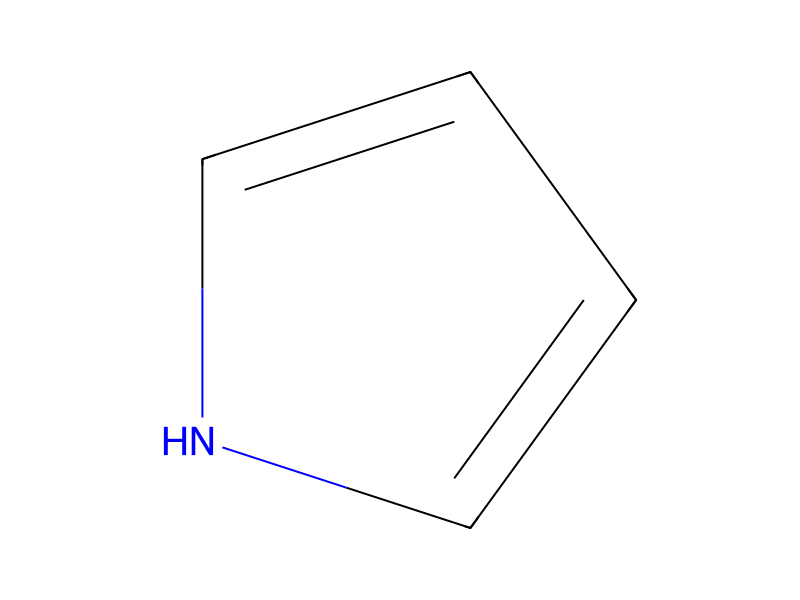
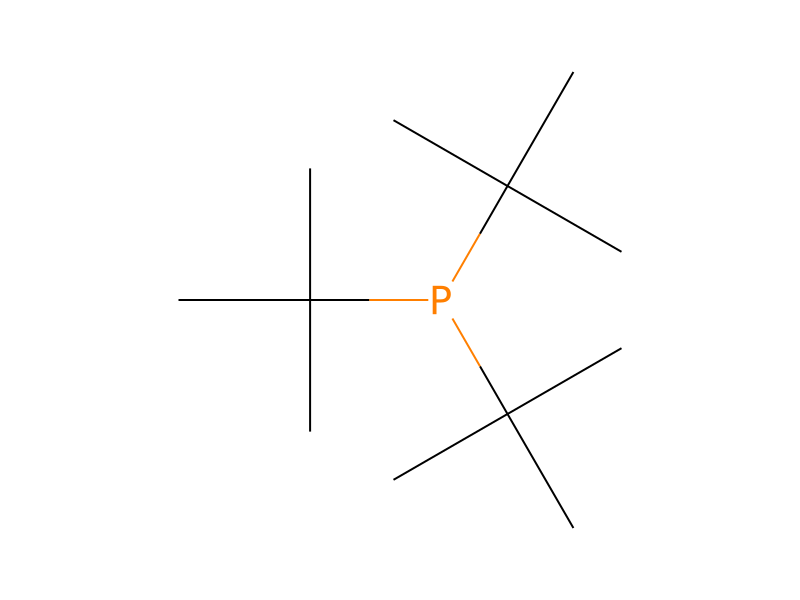
[CH3:1][N:2]([CH3:14])[N:3]=[CH:4][CH2:5][C:6]1[CH:11]=[CH:10][C:9](Cl)=[CH:8][C:7]=1Cl.C(P(C(C)(C)C)C(C)(C)C)(C)(C)C.[NH:28]1[CH:32]=[CH:31][CH:30]=[CH:29]1.C(=O)([O-])[O-].[Rb+].[Rb+]>>[N:28]1([C:9]2[CH:10]=[C:11]3[C:6]([CH:5]=[CH:4][N:3]3[N:2]([CH3:14])[CH3:1])=[CH:7][CH:8]=2)[CH:32]=[CH:31][CH:30]=[CH:29]1Komponenten
5



Versuchsvorschrift
6-(1-pyrrolyl)-1-(dimethylamino)indole was prepared in the same manner as in Example 12 except that 2,4-dichlorophenylacetaldehyde N,N-dimethylhydrazone was used in place of 2,6-dichlorophenylacetaldehyde N,N-dimethylhydrazone, tri(t-butyl)phosphine was used in place of 1-(N,N-dimethylaminomethyl)-2-(di-t-butylphosphino)ferrocene, pyrrole was used in place of piperazine, and rubidium carbonate was used in place of t-butoxysodium. (Yield: 2′%).
Quellen und Nachweise
- ORD-Eintrag
- ord-8511c3906ead47c0b5b48f6ff16ac832
- Quelldatensatz
- uspto-grants-2002_02
- Patentnummer
- US06346621B1
Verknüpfte Notizen
Wird geladen…