Nitrone → 4-(2'-cyano-4'-bromo-6'-methylphenylazo)-N,N-diethylaniline
HRID 1701271
Reaktionsgleichung

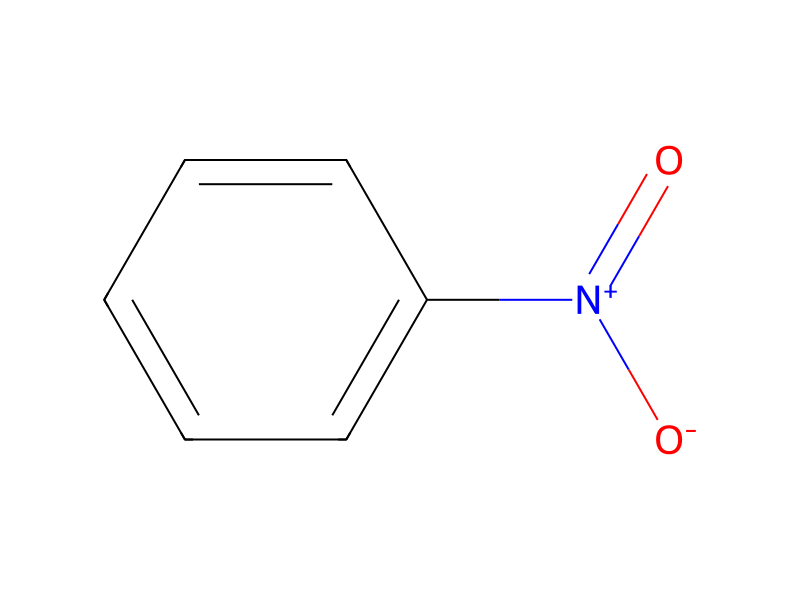
Br[C:2]1[CH:7]=[C:6]([Br:8])[CH:5]=[C:4]([CH3:9])[C:3]=1[N:10]=[N:11][C:12]1[CH:22]=[CH:21][C:15]([N:16]([CH2:19][CH3:20])[CH2:17][CH3:18])=[CH:14][CH:13]=1.[CH2:23]=[N:24]O.N1C(C)=CC=CC=1C.[N+](C1C=CC=CC=1)([O-])=O>[Cu]I>[C:23]([C:2]1[CH:7]=[C:6]([Br:8])[CH:5]=[C:4]([CH3:9])[C:3]=1[N:10]=[N:11][C:12]1[CH:22]=[CH:21][C:15]([N:16]([CH2:19][CH3:20])[CH2:17][CH3:18])=[CH:14][CH:13]=1)#[N:24]Komponenten
6