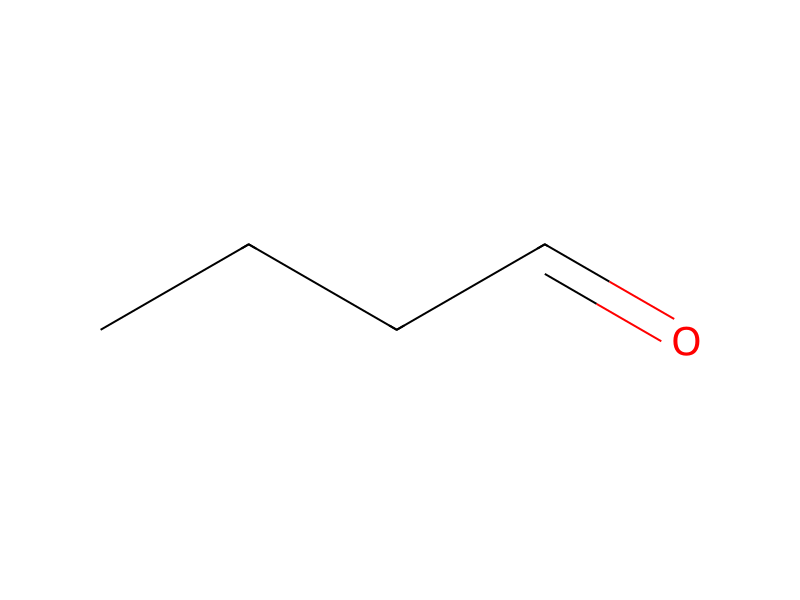
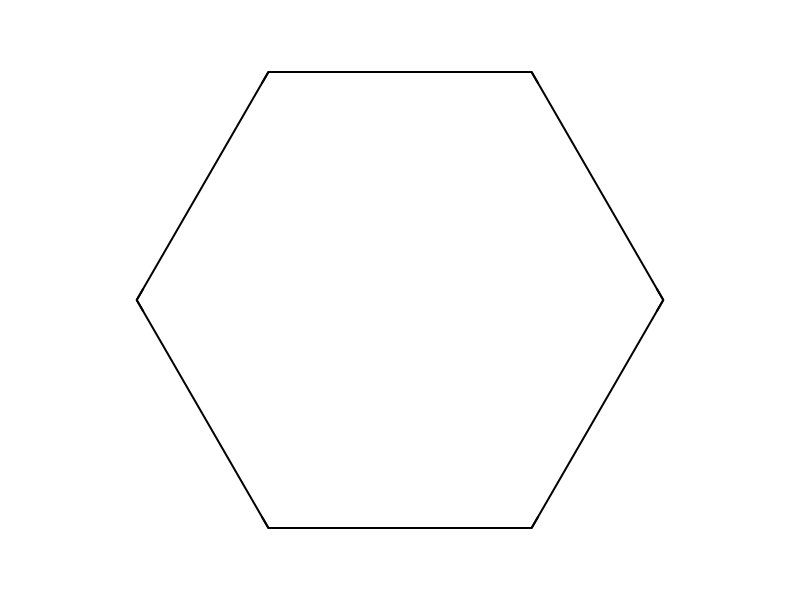
889.5 g of n-butanol, 1500 g of cyclohexane, and 5.7 g of p-toluenesulfonic acid are placed in a 4 liter three-necked flask fitted with a stirrer, dropping funnel, reflux condenser, and internal thermometer. 432.7 g of n-butyraldehyde is added with stirring over a period of 5 minutes. Owing to the acetal formation which starts spontaneously, the internal temperature rises to about 35° C. The mixture is allowed to react at 35° C. to 40° C. for 30 minutes, a Ph of 7.0 is then established in the reaction mixture, which is composed of a lower water phase and an upper organic phase, by addition of sodium hydroxide solution (20% aqueous solution), and the water phase is separated. To remove the low-boiling components, the organic phase is subjected to initial distillation at 200 mbar and a bottom temperature up to 160° C.