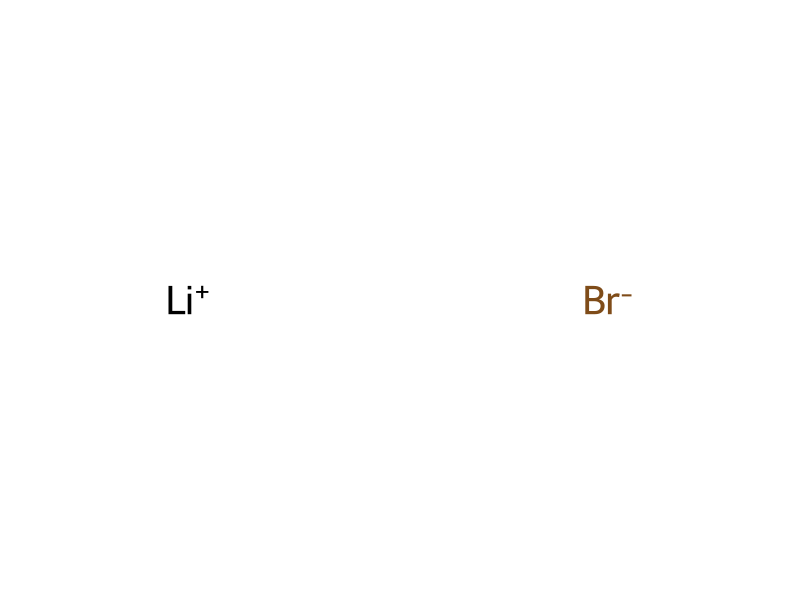
[O:1]=[C:2]([CH2:9][CH2:10][CH3:11])[CH2:3][C:4]([O:6][CH2:7][CH3:8])=[O:5].[C:12]([C:14]1[CH:18]=[CH:17][S:16][C:15]=1[C:19]1[CH:26]=[CH:25][C:22]([CH2:23]Br)=[CH:21][CH:20]=1)#[N:13].[Br-].[Li+].C(N(C(C)C)CC)(C)C>O1CCCC1.O>[C:12]([C:14]1[CH:18]=[CH:17][S:16][C:15]=1[C:19]1[CH:26]=[CH:25][C:22]([CH2:23][CH:3]([C:2](=[O:1])[CH2:9][CH2:10][CH3:11])[C:4]([O:6][CH2:7][CH3:8])=[O:5])=[CH:21][CH:20]=1)#[N:13]11 g of ethyl 3-oxohexanoate are dissolved in 150 ml of tetrahydrofuran. 12.9 g of 4-(3-cyano-2-thienyl)benzyl bromide and 6.1 g of lithium bromide are added and the mixture is stirred at room temperature. 24.2 ml of diisopropylethylamine are then added dropwise. After the addition is complete, the reaction mixture is brought to reflux for 24 hours. After evaporation under vacuum, the residue obtained is taken up with water and then extracted with chloroform. The organic phase is dried and then evaporated under vacuum. The excess ethyl 3-oxohexanoate is removed using a vane pump. 16.4 g of ethyl 2-[4-(3-cyano-2-thienyl)benzyl]-3-oxohexanoate are thereby obtained in the form of a pale yellow oil, which is used without further purification for the next step.