Acetic Anhydride → N-[2-(3-fluoro-2-hydroxyphenyl)ethyl]acetamide
Reaktionsgleichung

[F:1][C:2]1[C:3]([OH:11])=[C:4]([CH2:8][C:9]#[N:10])[CH:5]=[CH:6][CH:7]=1.[C:12](OC(=O)C)(=[O:14])[CH3:13].[BH4-].[Na+]>CO.O.O.O.O.O.O.[Ni](Cl)Cl>[F:1][C:2]1[C:3]([OH:11])=[C:4]([CH2:8][CH2:9][NH:10][C:12](=[O:14])[CH3:13])[CH:5]=[CH:6][CH:7]=1Komponenten
Edukt 3



Produkt 1

Reagenzien, Katalysatoren, Lösungsmittel 2

Versuchsvorschrift
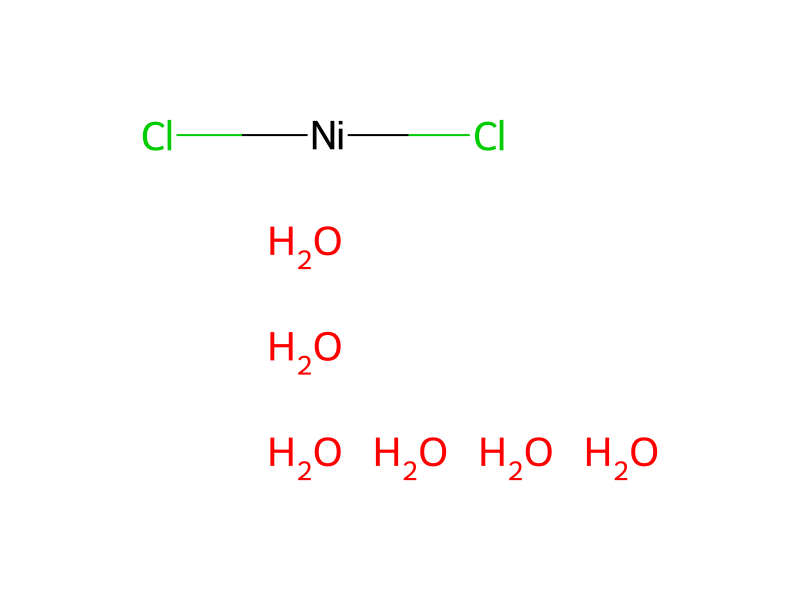
A solution of 1.54 g of (3-fluoro-2-hydroxyphenyl)acetonitrile, 1.87 ml of acetic anhydride and 2.41 g of nickel chloride hexahydrate in 75 ml of methanol is admixed at 0° C. with 2.72 g of sodium borohydride in portions and stirred at room temperature over 22 hours. The reaction mixture is concentrated by evaporation, and the residue is diluted with ethyl acetate and saturated aqueous sodium bicarbonate solution and clarified by filtration. The aqueous phase is extracted with ethyl acetate (3×). The combined organic phases are dried with sodium sulphate and concentrated by evaporation. The title compound is obtained as a beige solid from the residue by means of flash chromatography (SiO2 60F). Rf=0.23 (95:5 dichloromethane-methanol); Rt=2.60.
Aufarbeitung
- concentrationThe reaction mixture is concentrated by evaporation
- additionthe residue is diluted with ethyl acetate and saturated aqueous sodium bicarbonate solution
- filtrationclarified by filtration
- extractionThe aqueous phase is extracted with ethyl acetate (3×)
- dry with materialThe combined organic phases are dried with sodium sulphate
- concentrationconcentrated by evaporation
Quellen und Nachweise
- ORD-Eintrag
- ord-2c5d81497ccf4f35ac014243d08d01a8
- Quelldatensatz
- uspto-grants-2010_09
- Patentnummer
- US07790715B2
Notizen zur Reaktion
Wird geladen…