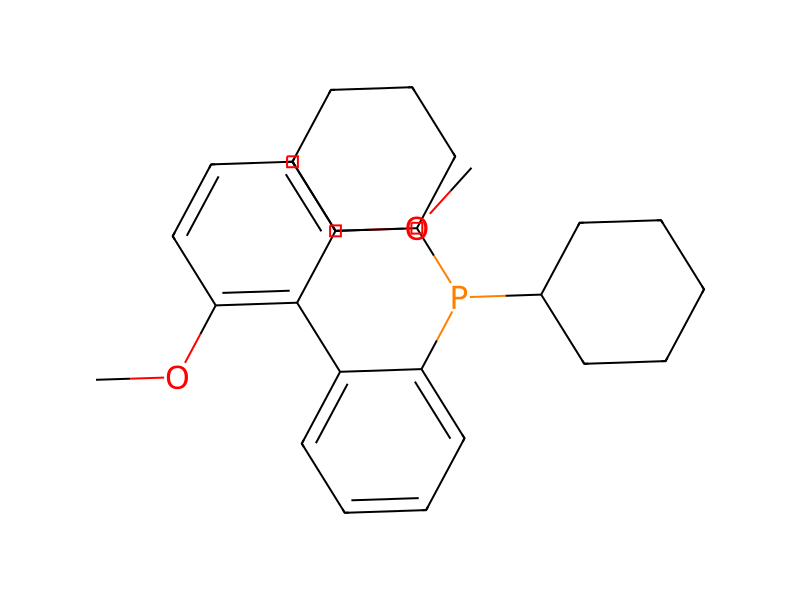
[CH2:1]([O:3][C:4]([C:6]1[C:14]2[C:9](=[CH:10][CH:11]=[C:12](Br)[CH:13]=2)[N:8]([CH3:16])[CH:7]=1)=[O:5])[CH3:2].[CH3:17][C:18]1(C)C(C)(C)OB(C=C)O1.C1(P(C2CCCCC2)C2C=CC=CC=2C2C(OC)=CC=CC=2OC)CCCCC1.P([O-])([O-])([O-])=O.[K+].[K+].[K+]>O1CCCC1.C([O-])(=O)C.[Pd+2].C([O-])(=O)C.O>[CH2:1]([O:3][C:4]([C:6]1[C:14]2[C:9](=[CH:10][CH:11]=[C:12]([CH:17]=[CH2:18])[CH:13]=2)[N:8]([CH3:16])[CH:7]=1)=[O:5])[CH3:2]To a solution of 5-bromo-1-methyl-1H-indole-3-carboxylic acid ethyl ester (1.2 g) described in Reference Example 52 (2) in tetrahydrofuran (14 ml) were added 4,4,5,5-tetramethyl-2-vinyl-1,3,2-dioxaborolane (983 mg), 2-dicyclohexylphosphino-2′,6′-dimethoxybiphenyl (S-Phos) (349 mg), palladium acetate (96 mg) and tripotassium phosphate (2.26 g) at room temperature, and stirred at 75° C. for 4 hours. After completion of the reaction, the mixture was cooled to room temperature, water was added thereto, and extracted with ethyl acetate. The organic layer was dried over anhydrous sodium sulfate, and then the solvent was evaporated. The obtained residue was purified with silica gel column chromatography (n-hexane/ethyl acetate) to give 1-methyl-5-vinyl-1H-indole-3-carboxylic acid ethyl ester (934 mg) as a yellow solid.