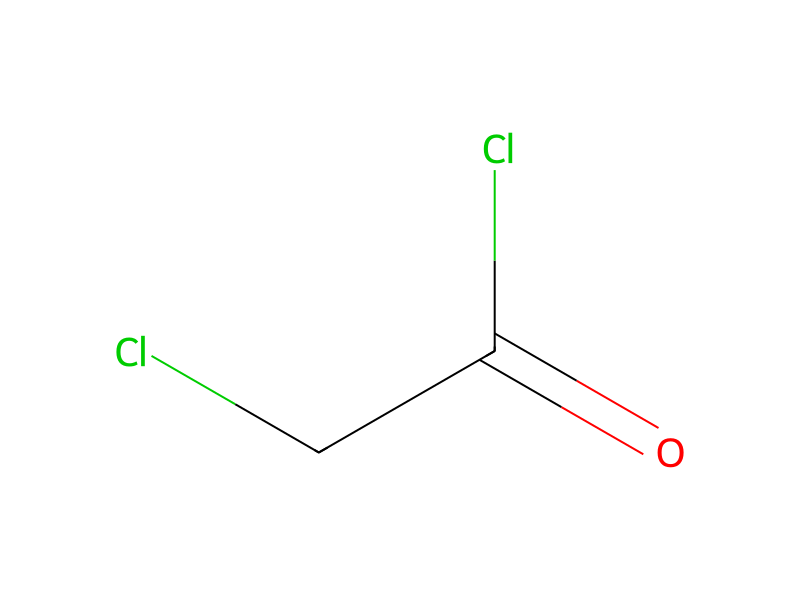
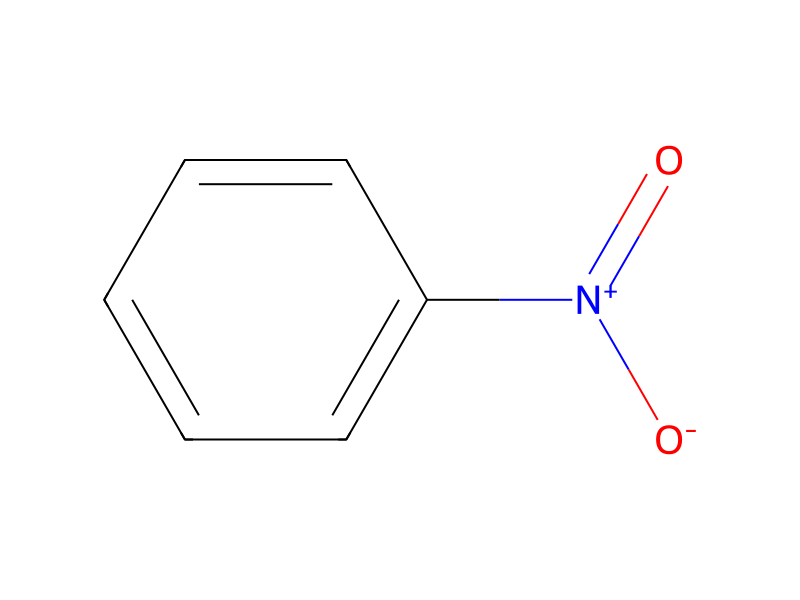
[C:1]1([C:9]2[CH:14]=[CH:13][CH:12]=[CH:11][CH:10]=2)[C:2]([OH:8])=[CH:3][C:4]([OH:7])=[CH:5][CH:6]=1.[Cl-].[Al+3].[Cl-].[Cl-].Cl[CH2:20][C:21](Cl)=[O:22].O>[N+](C1C=CC=CC=1)([O-])=O>[OH:8][C:2]1[C:1]([C:9]2[CH:14]=[CH:13][CH:12]=[CH:11][CH:10]=2)=[CH:6][C:5]2[C:21](=[O:22])[CH2:20][O:7][C:4]=2[CH:3]=1A solution of biphenyl-2,4-diol (0.24 g, 1.3 mmol) in nitrobenzene (1.0 mL) was added with aluminum chloride (0.60 g, 4.5 mmol) at room temperature. Then, the reaction mixture was added with chloroacetyl chloride (0.60 g, 1.7 mmol) under ice cooling. The mixture was stirred at 40° C. for 3 hours, and then added with water, and the mixture was extracted with ethyl acetate. The organic layer was washed successively with water and saturated brine, and dried over anhydrous magnesium sulfate. The solvent was evaporated under reduced pressure, and then the residue was subjected to silica gel column chromatography (eluted with chloroform/methanol (100:0→90:10)) to obtain 6-hydroxy-5-phenylbenzofuran-3(2H)-one (0.12 g, 42%).