StartseiteMCPWorkbenchSkills
StartseiteWorkbenchBenachrichtigungenMein Bereich
llms.txt · MCP-AnleitungDatenschutz · Nutzungsbedingungen · Supportv1.8.3
  1. Startseite
  2. /Reaktion

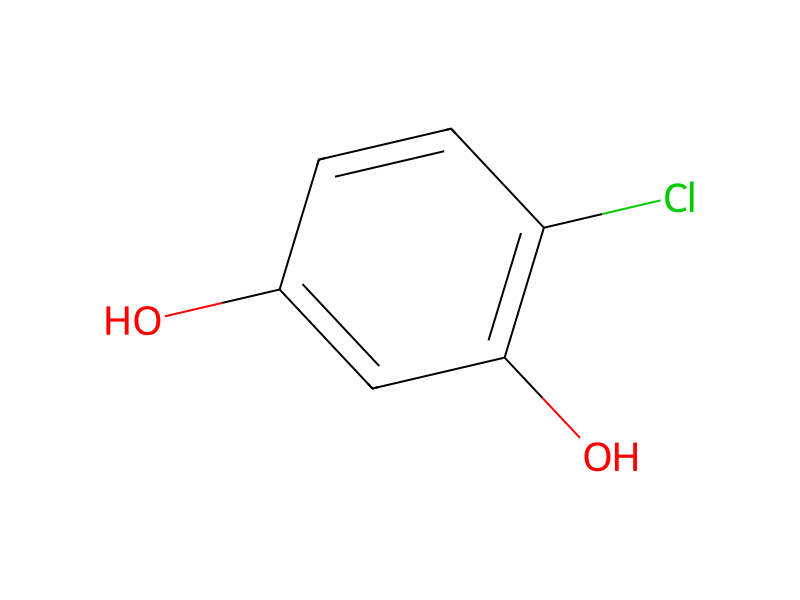
4-Chlororesorcinol → 5-chloro-6-hydroxybenzofuran-3(2H)-one

HRID 1749877
Drucken

Reaktionsgleichung

Reaktionsgleichung von HRID 1749877
[Cl:1][C:2]1[CH:8]=[CH:7][C:5]([OH:6])=[CH:4][C:3]=1[OH:9].[Cl-].[Al+3].[Cl-].[Cl-].Cl[CH2:15][C:16](Cl)=[O:17].[OH-].[Na+]>[N+](C1C=CC=CC=1)([O-])=O>[Cl:1][C:2]1[C:3]([OH:9])=[CH:4][C:5]2[O:6][CH2:15][C:16](=[O:17])[C:7]=2[CH:8]=1
KomponentenReaktionsbedingungenVersuchsvorschriftAufarbeitungQuellen und NachweiseNotizen zur Reaktion

Komponenten

6

Edukt 4

HCID 17314-ChlororesorcinolHCID 6577Chloroacetyl chlorideHCID 14798Sodium HydroxideHCID 6451240Aluminum(III) Chloride

Produkt 1

HCID 574435495-chloro-6-hydroxybenzofuran-3(2H)-oneAusbeute 18 %

Reagenzien, Katalysatoren, Lösungsmittel 1

HCID 7416
Nitrobenzene
Lösungsmittel

Reaktionsbedingungen

Temperatur
40 °C

Versuchsvorschrift

A solution of 4-chlororesorcinol (4.34 g, 30.0 mmol) in nitrobenzene (60 mL) was added with aluminum chloride (10.2 g, 90.0 mmol) at room temperature. Then, the mixture was added with chloroacetyl chloride (2.87 mL, 36.0 mmol) under ice cooling. The reaction mixture was stirred at 40° C. for 2 hours, and then added with 2 N aqueous sodium hydroxide (60 mL), and the aqueous layer was separated. The separated aqueous layer was added with concentrated hydrochloric acid and thereby adjusted to pH 3, and the precipitated solid was collected by filtration to obtain the objective 5-chloro-6-hydroxybenzofuran-3(2H)-one (0.995 g, 17%).

Aufarbeitung

  1. customthe aqueous layer was separated
  2. additionThe separated aqueous layer was added with concentrated hydrochloric acid
  3. filtrationthe precipitated solid was collected by filtration

Quellen und Nachweise

ORD-Eintrag
ord-4398e7191046486695afe3bb88e58318
Quelldatensatz
uspto-grants-2015_10
DOI
10.6084/m9.figshare.5104873.v1
Patentnummer
US09156827B2

Notizen zur Reaktion

Auf dieser SeiteKomponentenReaktionsbedingungenVersuchsvorschriftAufarbeitungQuellen und NachweiseNotizen zur Reaktion