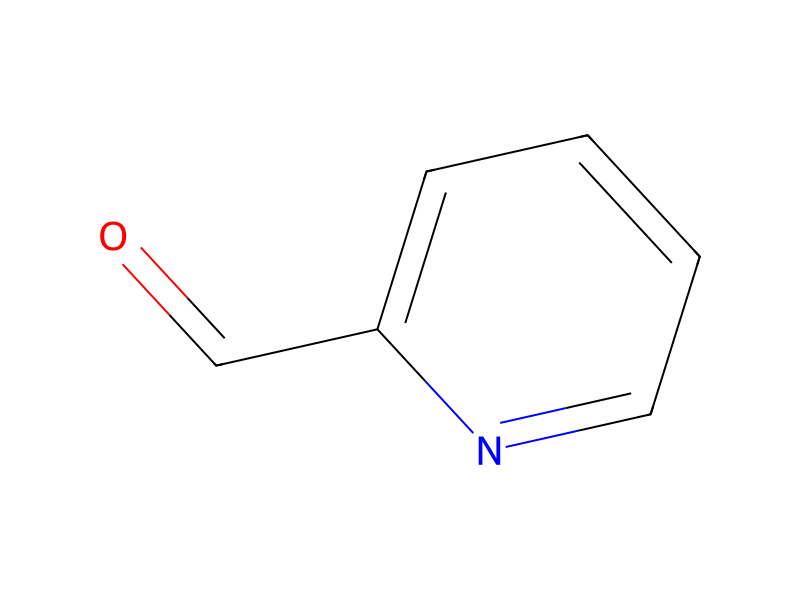
To a mixture of 12.49 g (0. 0621 mol) of o-bromo-m-methylbenzyl alcohol in 400 ml of ether cooled to -20° C. was added in portions 13.3 ml (0.1335 mol) of n-butyllithium (10M) in hexane over a 20 min period, and the reaction mixture was allowed to warm to room temperature and stirred 1 hr. The above reaction mixture was cooled to -20° C., 14.63 g (0.136 mol) of pyridine-2-carboxaldehyde in 50 ml of ether was added to the mixture over an 1 hr period (the mixture turns purple), and the resulting reaction mixture was allowed to warm to room temperature and stirred for 1 hr. Ammonium chloride solution (100 ml) and 200 ml of ethyl acetate were added to the mixture with stirring, and the mixture was extracted with ethyl acetate (2×200 ml). The combined organic layer was washed with brine, dried over sodium sulfate, and concentrated. The diol was was triturated with 100 ml of ether, filtered, and the solid product was washed with hexane (yield: 6.6 g; 46%) to afford 2-[1-hydroxy-(2'-hydroxymethyl-6'-methyl)-benzyl]-pyridine (Formula XIII: R1 =R7 =H; R2 =6'--CH3), as a pale yellow solid, m.p. 129°-132° C.