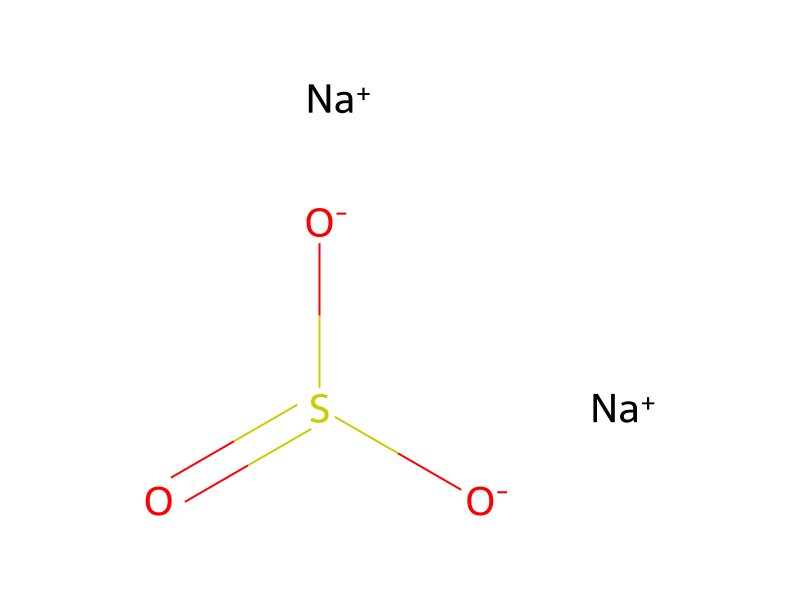
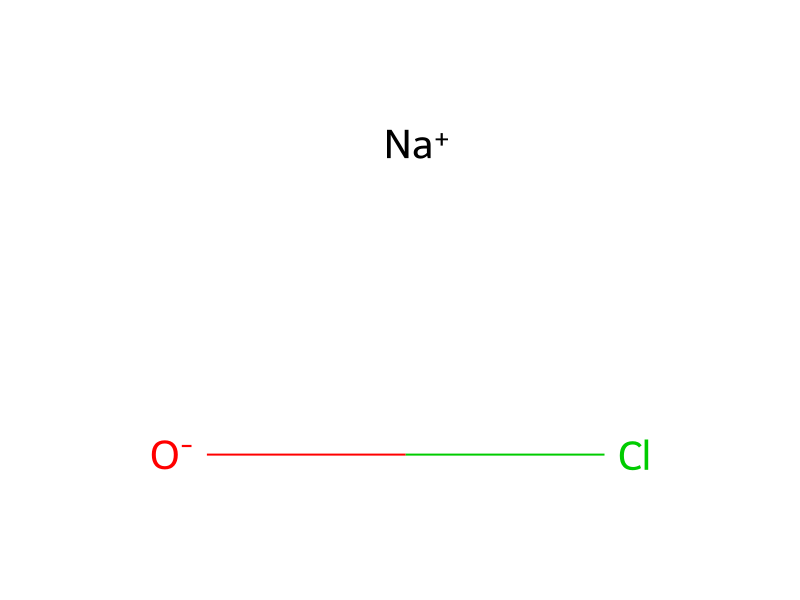
[CH2:1]([CH:9]1[CH2:17][C:16]2[C:11](=[CH:12][CH:13]=[C:14]([C:18](=[O:20])C)[CH:15]=2)[CH2:10]1)[CH2:2][CH2:3][CH2:4][CH2:5][CH2:6][CH2:7][CH3:8].Cl[O-].[Na+].[OH-].[Na+].S([O-])([O-])=[O:27].[Na+].[Na+].S(=O)(=O)(O)O>O.O1CCOCC1>[CH2:1]([CH:9]1[CH2:17][C:16]2[C:11](=[CH:12][CH:13]=[C:14]([C:18]([OH:20])=[O:27])[CH:15]=2)[CH2:10]1)[CH2:2][CH2:3][CH2:4][CH2:5][CH2:6][CH2:7][CH3:8]In a 3 liter-reaction vessel, 50 g (1.84×10⁻¹M) of the above-prepared 2-octyl-5-acetylindan and 500 ml of 1,4-dioxane were placed and warmed to 25° C. To the mixture, a mixture solution of 482 g of 10% -sodium hypochlorite aqueous solution and 178 g of 25%-sodium hydroxide aqueous solution was added dropwise in 30 minutes at about 30° C., followed by stirring for 6 hours at 60° C. After the reaction, the reaction mixture was cooled to 40° C. and then a solution of 22 g of sodium sulfite in 750 ml of water was added thereto, followed by stirring for 30 minutes. To the resultant mixture, 380 ml of concentrated sulfuric acid was added to precipitate a crystal. The crystal was recovered by filtration and washed with water, followed by drying and recrystallization from ethanol to obtain 37.0 g of 2-octylindan-5-carboxylic acid.