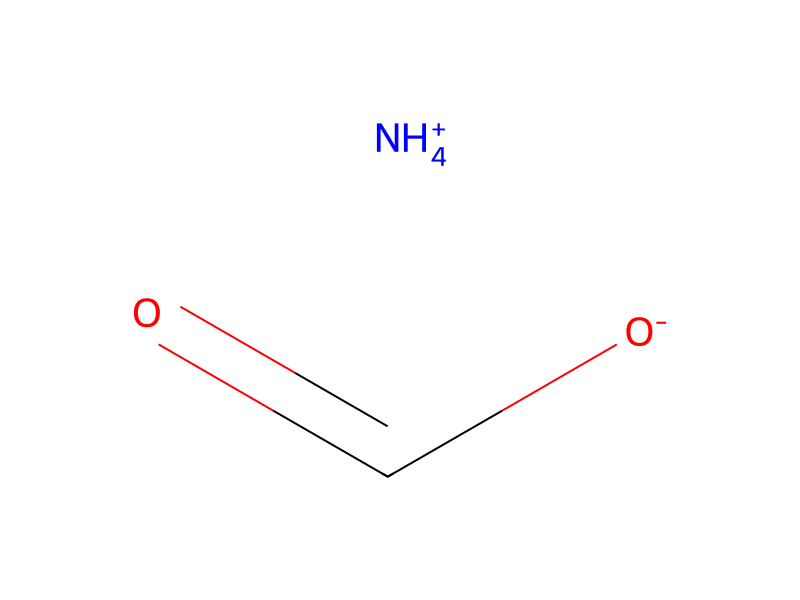
Cl[C:2]1[C:11]2[O:10][CH2:9][CH2:8][CH2:7][C:6]=2[C:5]([CH3:12])=[C:4]([B:13]2[O:17][C:16]([CH3:19])([CH3:18])[C:15]([CH3:21])([CH3:20])[O:14]2)[CH:3]=1.C([O-])=O.[NH4+]>[Pd].CO>[CH3:18][C:16]1([CH3:19])[C:15]([CH3:20])([CH3:21])[O:14][B:13]([C:4]2[CH:3]=[CH:2][C:11]3[O:10][CH2:9][CH2:8][CH2:7][C:6]=3[C:5]=2[CH3:12])[O:17]1Palladium on activated charcoal (10% Pd by weight, 120 mg) was added to a solution of 2-(8-chloro-5-methyl-3,4-dihydro-2H-1-benzopyran-6-yl)-4,4,5,5-tetramethyl-1,3,2-dioxaborolane (7f) (1.20 g, 3.89 mmol) and ammonium formate (2.45 g, 38.89 mmol) in methanol (20 mL). The mixture was refluxed for 60 minutes. The mixture was then cooled to room temperature, filtered through a pad of Celite® and rinsed with methanol. The filtrate was concentrated in vacuo. The residue was dissolved in ethyl acetate (20 mL) and washed with water (20 mL). The organic layer was dried over sodium sulfate, concentrated in vacuo to provide 4,4,5,5-tetramethyl-2-(5-methyl-3,4-dihydro-2H-1-benzopyran-6-yl)-1,3,2-dioxaborolane (7g) (1.00 g, 3.66 mmol, 94%) as a white solid, which was used without further purification.