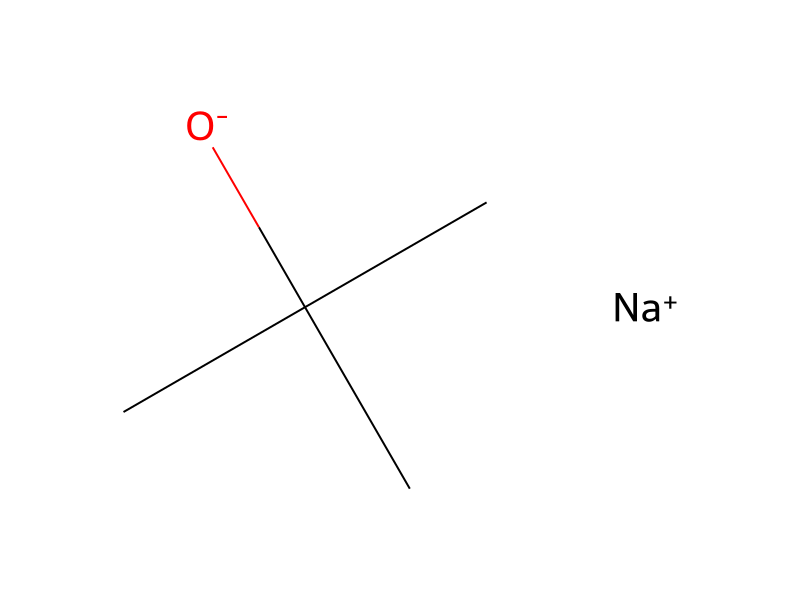
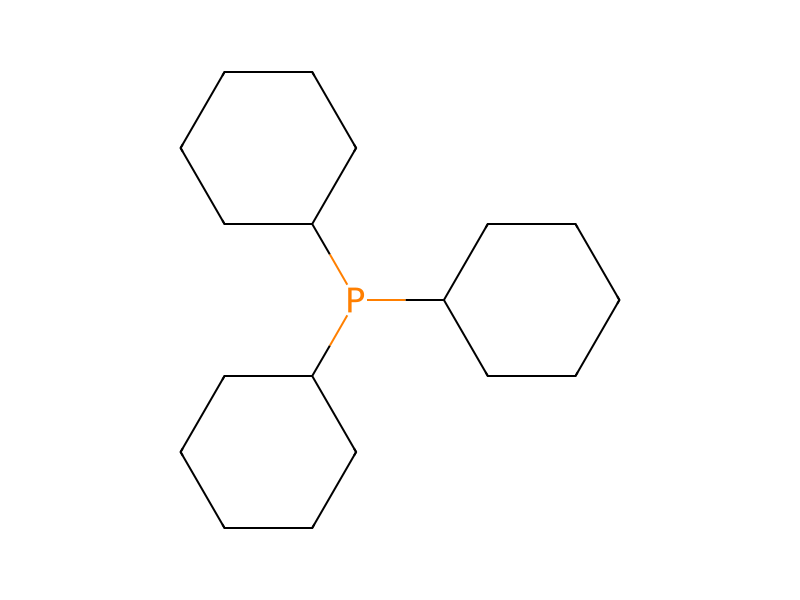
[CH2:1]([N:8]([C:14]1[CH:19]=[C:18]([O:20][CH3:21])[C:17]([CH3:22])=[CH:16][C:15]=1Br)[C:9](=[O:13])[CH:10]([CH3:12])[CH3:11])[C:2]1[CH:7]=[CH:6][CH:5]=[CH:4][CH:3]=1.CC(C)([O-])C.[Na+].[Cl-].[NH4+]>O1CCOCC1.C([O-])(=O)C.[Pd+2].C([O-])(=O)C.C1(P(C2CCCCC2)C2CCCCC2)CCCCC1>[CH2:1]([N:8]1[C:14]2[C:15](=[CH:16][C:17]([CH3:22])=[C:18]([O:20][CH3:21])[CH:19]=2)[C:10]([CH3:12])([CH3:11])[C:9]1=[O:13])[C:2]1[CH:7]=[CH:6][CH:5]=[CH:4][CH:3]=1To a solution of N-benzyl-N-(2-bromo-5-methoxy-4-methyl-phenyl)-isobutyramide (4.35 g, 11.56 mmol) in 1,4-dioxane (115 mL) was added sodium tert-butoxide (1.66 g, 17.34 mmol). The mixture was degassed under argon for 30 minutes, then palladium (II) acetate (130 mg, 0.58 mmol) and tricyclohexylphosphine (162 mg, 0.58 mmol) were added and the mixture refluxed overnight. A solution of saturated aqueous ammonium chloride was added and the solution extracted with ethyl acetate. The organic extract was washed successively with water and brine, dried over MgSO4, filtered and evaporated. The residue was chromatographed on silica gel (20% ethyl acetate in hexane) to give 1.94 g of 1-benzyl-6-methoxy-3,3,5-trimethyl-1,3-dihydro-indol-2-one (57% yield). 1H NMR (300 MHz; CDCl3): 1.40 (s, 6 H), 2.16 (s, 3 H), 3.67 (s, 3 H), 4.90 (s, 2 H), 6.26 (s, 1 H), 6.96 (s, 1 H), 7.27 (m, 5 H).