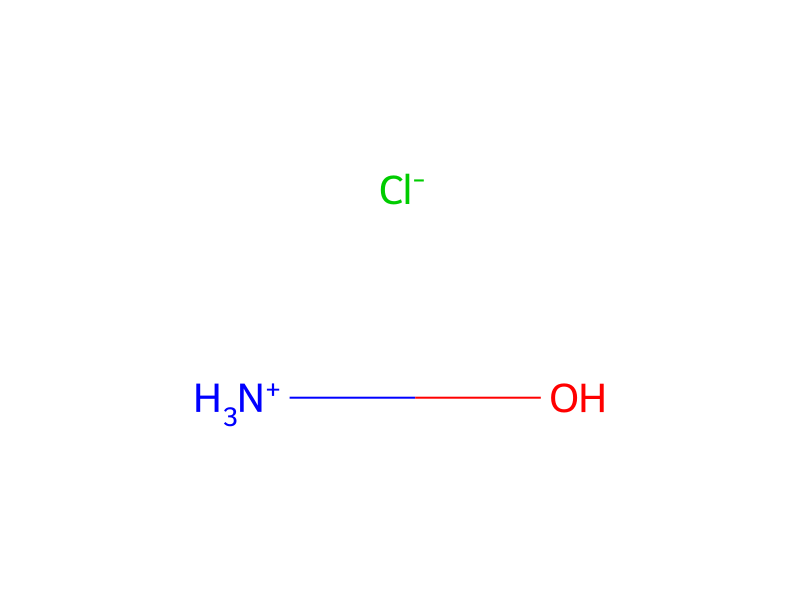
[F:1][C:2]1[CH:26]=[CH:25][C:5]([CH2:6][CH2:7][N:8]2[CH2:13][CH2:12][CH:11]([N:14]3[C:22]4[C:17](=[CH:18][CH:19]=[C:20]([CH:23]=O)[CH:21]=4)[CH2:16][CH2:15]3)[CH2:10][CH2:9]2)=[CH:4][CH:3]=1.[Cl-].[OH:28][NH3+:29].C([O-])(=O)C.[Na+]>C(O)C>[F:1][C:2]1[CH:26]=[CH:25][C:5]([CH2:6][CH2:7][N:8]2[CH2:13][CH2:12][CH:11]([N:14]3[C:22]4[C:17](=[CH:18][CH:19]=[C:20]([CH:23]=[N:29][OH:28])[CH:21]=4)[CH2:16][CH2:15]3)[CH2:10][CH2:9]2)=[CH:4][CH:3]=1A suspension of crude 1-[1-(4-fluorophenethyl)-piperidin-4-yl]-6-formylindoline (35 g), hydroxylammonium chloride (10.4 g) and anhydrous sodium acetate (12.3 g) in ethanol (400 ml) was stirred at room temperature for a day. Then the reaction solution was concentrated under reduced pressure, diluted with ethyl acetate (500 ml), an 8 N aqueous solution (30 ml) of sodium hydroxide and water (100 ml) and the layers were separated. The organic layer was washed with brine and dried over magnesium sulfate. After removing the solvent, the residue was dissolved in a hot toluene (100 ml)-isopropyl ether (100 ml) mixtures and allowed to cool at room temperature. The resulting crystals were collected by filtration and dried at 50° C. to give the title compound (31 g) as a pale yellow powder (yield: 85%).