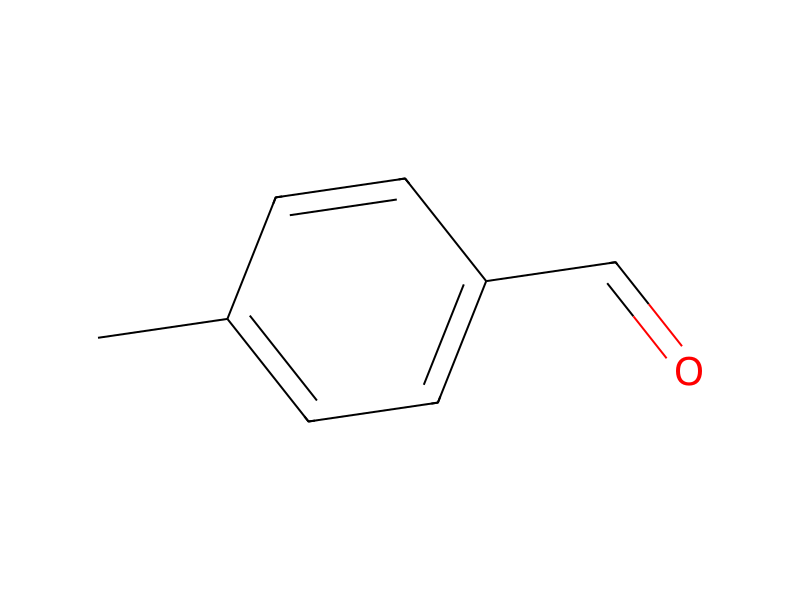
[C:1]([C:3]1([OH:13])[CH2:12][CH2:11][C:6]2([O:10][CH2:9][CH2:8][O:7]2)[CH2:5][CH2:4]1)#[CH:2].C([Li])CCC.[C:19]1([CH3:27])[CH:24]=[CH:23][C:22]([CH:25]=[O:26])=[CH:21][CH:20]=1.[Cl-].[NH4+]>O1CCCC1>[OH:26][CH:25]([C:22]1[CH:23]=[CH:24][C:19]([CH3:27])=[CH:20][CH:21]=1)[C:2]#[C:1][C:3]1([OH:13])[CH2:12][CH2:11][C:6]2([O:7][CH2:8][CH2:9][O:10]2)[CH2:5][CH2:4]1To a solution of 8-ethynyl-1,4-dioxaspiro[4.5]decan-8-ol (Reference Example 1) (15.0 g, 82.3 mmol) in tetrahydrofuran (165 mL), 2.77 M n-butyllithium (solution in n-hexane, 62.4 mL, 172.9 mmol) was added dropwise at −72° C. for 25 minutes, and the obtained solution was stirred at the same temperature for 30 minutes. Thereafter, p-tolualdehyde (10.2 mL, 86.4 mmol) was added dropwise at −72° C. for 5 minutes, and the obtained solution was stirred at the same temperature for 30 minutes. The reaction solution was allowed to warm to room temperature and poured into saturated aqueous ammonium chloride solution. The reaction solution was extracted with ethyl acetate. The organic layer was washed with brine, dried over anhydrous sodium sulfate and concentrated under reduced pressure. The residue was purified by flash chromatography (silica gel, n-hexane/ethyl acetate) to obtain the captioned compound (17.7 g, 58.5 mmol, 71%) as an amorphous product.