Reaktionsgleichung

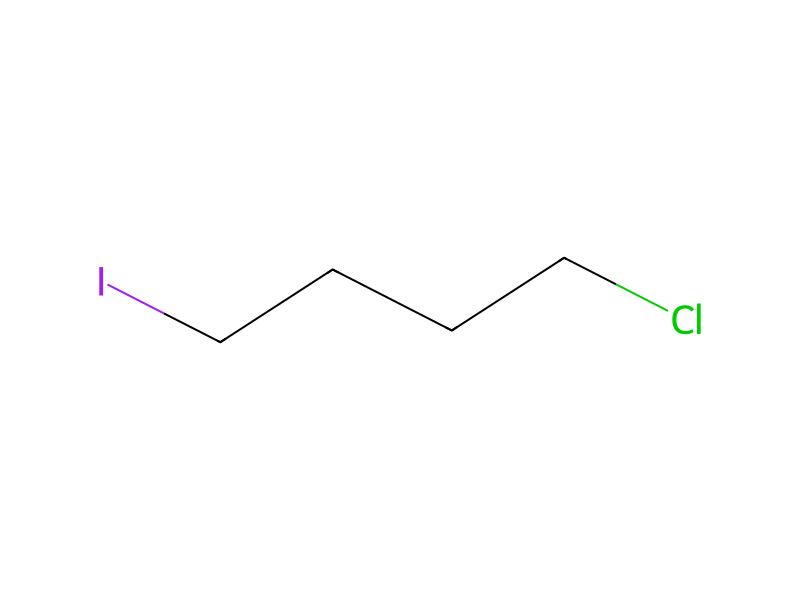
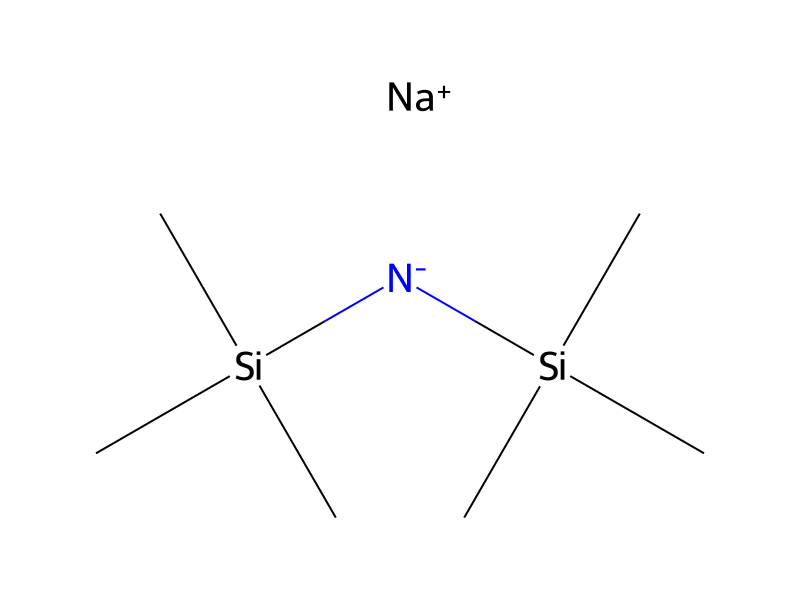
[CH:1]([O:4][C:5]1[CH:10]=[CH:9][C:8]([CH2:11][C:12]([OH:14])=[O:13])=[CH:7][CH:6]=1)([CH3:3])[CH3:2].C[Si]([N-][Si](C)(C)C)(C)C.[Na+].[Cl:25][CH2:26][CH2:27][CH2:28][CH2:29]I>>[Cl:25][CH2:26][CH2:27][CH2:28][CH2:29][CH:11]([C:8]1[CH:9]=[CH:10][C:5]([O:4][CH:1]([CH3:3])[CH3:2])=[CH:6][CH:7]=1)[C:12]([OH:14])=[O:13]Komponenten
4


Versuchsvorschrift
Step AV (1): 2-(4-Isopropoxyphenyl)acetic acid (7.7 g, 39.6 mmol, reference G. Solladie et al. Tetrahedron (2003), 59, 3315) was deprotonated with NaHMDS (2.0 M in THF, 39.5 mL, 79 mmol) and reacted with 1-chloro-4-iodobutane (10.8 g, 49.6 mmol) using a procedure analogous to Step AC (1) to afford 6-chloro-2-(4-isopropoxyphenyl)hexanoic acid (4.24 g, 37% yield) as a clear viscous oil. LC-MS (M−H)− 193.0.
Quellen und Nachweise
- ORD-Eintrag
- ord-c1e30653e83043e8b52e904d30e0a7fa
- Quelldatensatz
- uspto-grants-2013_01
- Patentnummer
- US08349880B2
Verknüpfte Notizen
Wird geladen…