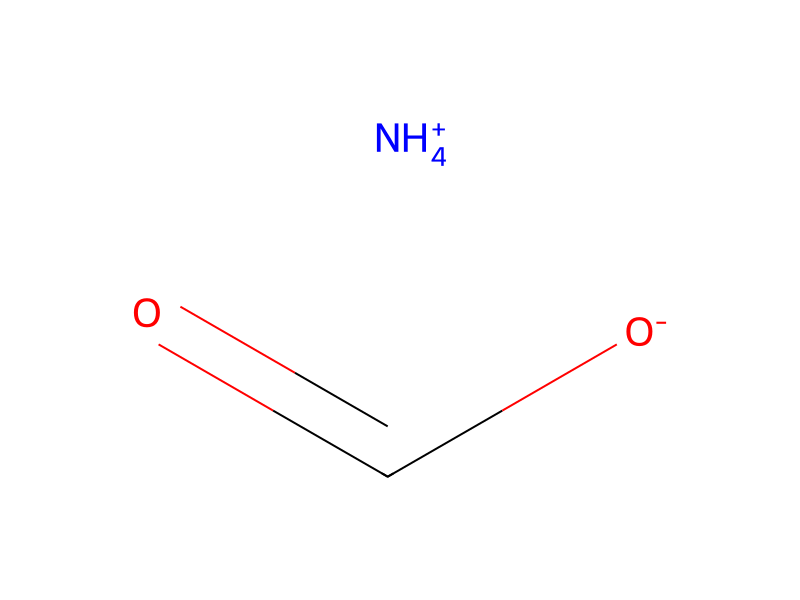
C([N:8]1[CH2:12][CH:11]2[CH2:13][N:14]([C:16]3[C:17]([CH3:40])=[C:18]([CH3:39])[C:19]4[N:20]([C:22]([C:32]5[CH:37]=[CH:36][N:35]=[C:34]([NH2:38])[CH:33]=5)=[C:23]([C:25]5[CH:30]=[CH:29][C:28]([F:31])=[CH:27][CH:26]=5)[N:24]=4)[N:21]=3)[CH2:15][CH:10]2[CH2:9]1)C1C=CC=CC=1.C([O-])=O.[NH4+]>CO.[Pd]>[F:31][C:28]1[CH:29]=[CH:30][C:25]([C:23]2[N:24]=[C:19]3[C:18]([CH3:39])=[C:17]([CH3:40])[C:16]([N:14]4[CH2:13][CH:11]5[CH:10]([CH2:9][NH:8][CH2:12]5)[CH2:15]4)=[N:21][N:20]3[C:22]=2[C:32]2[CH:37]=[CH:36][N:35]=[C:34]([NH2:38])[CH:33]=2)=[CH:26][CH:27]=1To a solution of 2.30 g (4.3 mmol) of 4-[6-(5-benzylhexahydropyrrolo[3,4-c]pyrrol-2-yl)-2-(4-fluorophenyl)-7,8-dimethylimidazo[1,2-b]pyridazin-3-yl]pyrid-2-ylamine in 150 mL of methanol are added 4 g (64 mmol) of ammonium formate and 1 g of 10% palladium-on-charcoal containing 50% water. The mixture is stirred at reflux for 2 hours and the solvent is then removed under reduced pressure. The residue is taken up in water and the resulting aqueous phase is basified using aqueous 1N sodium hydroxide. The product is extracted with chloroform, the organic phase is washed with water, dried over sodium sulfate and filtered, and the solvent is evaporated off to give an orange-colored oil. After purification by chromatography on a column of silica gel, eluting with a mixture of dichloromethane, methanol and aqueous ammonia (87:13:1.3), 1.23 g of a white powder are obtained after crystallization from ether and drying under reduced pressure.