StartseiteMCPWorkbenchSkills
StartseiteWorkbenchBenachrichtigungenMein Bereich
llms.txt · MCP-AnleitungDatenschutz · Nutzungsbedingungen · Supportv1.8.0
  1. Startseite
  2. /Reaktion

Ammonia → 4-Methyl-sulfonylpyridine

HRID 18062
Notizen
Druckvorschau

Reaktionsgleichung

Reaktionsgleichung von HRID 18062
CS([C:5]1[CH:10]=[CH:9][N:8]=[CH:7][CH:6]=1)(=O)=O.[CH3:11]SC1C=CN=CC=1.OO.N.[S:22]([O-:25])(O)=[O:23].[Na+]>[O-][W]([O-])(=O)=O.[Na+].[Na+].C(O)(=O)C.O>[CH3:11][C:5]1[CH:6]=[CH:7][NH:8][C:9](=[S:22](=[O:25])=[O:23])[CH:10]=1
KomponentenVersuchsvorschriftAufarbeitungQuellen und NachweiseNotizen zur Reaktion

Komponenten

9

Edukt 5

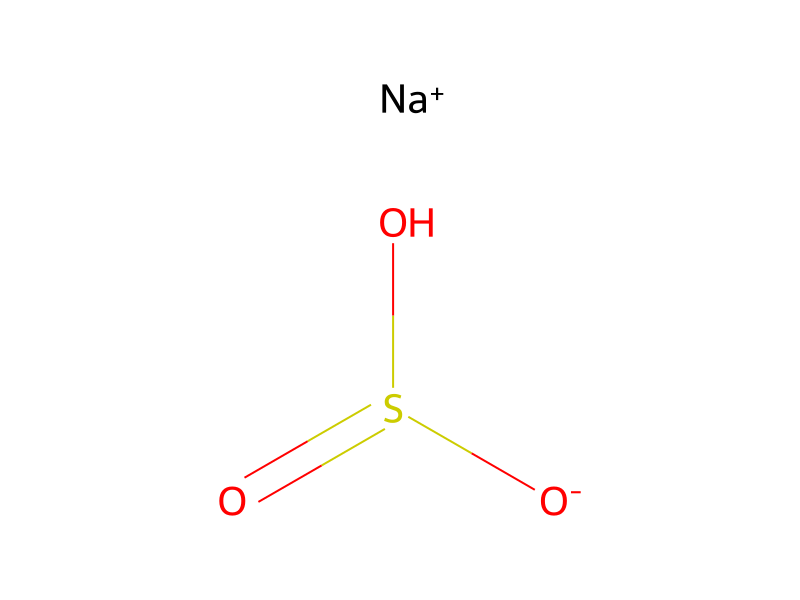
HCID 222AmmoniaHCID 784Hydrogen PeroxideHCID 1409384-(Methylthio)pyridineHCID 2924874-MethanesulfonylpyridineHCID 23665763Sodium Bisulfite

Produkt 1

HCID 865986304-Methyl-sulfonylpyridine

Reagenzien, Katalysatoren, Lösungsmittel 3

HCID 26052
Sodium tungstate
Katalysator
HCID 176Acetic AcidLösungsmittel
HCID 962WaterLösungsmittel

Versuchsvorschrift

4-Methylsulfonylpyridine may be prepared by carrying out the procedure as described in Example 20, starting with 14 g of sodium tungstate, 4 cm3 of water, 0.05 cm3 of 100% acetic acid, 3.3 g of 4-methylsulfanyl-pyridine, 6.5 cm3 of 30% hydrogen peroxide and then 0.25 cm3 of 32% aqueous ammonia and 1 cm3 of 37.5% aqueous solution of sodium hydrogen sulfite. The crude oil obtained is crystallized with 10 cm3 of diisopropyl ether, the crystals are filtered, drained and dried under reduced pressure (2.7 kPa). 2.6 g of 4-methyl-sulfonylpyridine are obtained in the form of white crystals.

Aufarbeitung

  1. customThe crude oil obtained
  2. customis crystallized with 10 cm3 of diisopropyl ether
  3. filtrationthe crystals are filtered
  4. customdried under reduced pressure (2.7 kPa)

Quellen und Nachweise

ORD-Eintrag
ord-0849b5bd46324f2ca8a266329f580a42
Quelldatensatz
uspto-grants-2010_06
DOI
10.6084/m9.figshare.5104873.v1
Patentnummer
US07741316B2

Notizen zur Reaktion

Wird geladen…

Auf dieser SeiteKomponentenVersuchsvorschriftAufarbeitungQuellen und NachweiseNotizen zur Reaktion