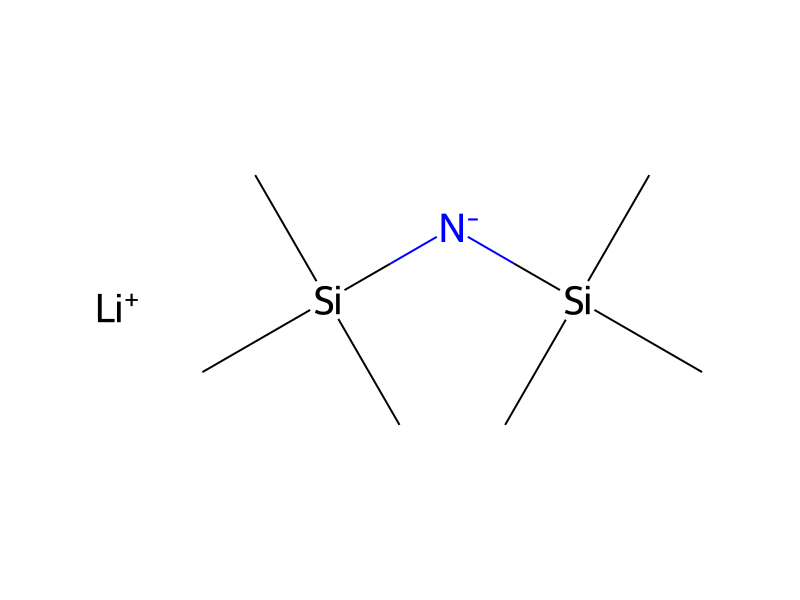
Step E To a mixture of methoxymethyl triphenylphosphonium chloride (12.6 g, 37 mmol) in anhydrous tetrahydrofuran (50 mL) at 0° C. was a tetrahydrofuran solution (Aldrich, 1 M) of LiHMDS (46 mL, 46 mmol) dropwise. After the addition was finished, the reaction mixture was stirred at 0° C. for 20 min. Then a tetrahydrofuran solution (40 mL) of 2-(1-benzyl-1,2,3,6-tetrahydro-pyridin-4-yl)-2-methyl-propionaldehyde (5.6 g, 23 mmol) was added. The reaction mixture was stirred at 0° C. for 2 h. Water was added to quench the reaction. The mixture was extracted with ethyl acetate twice. The organic layers were combined, concentrated. The residue was dissolved into a solution of aqueous HCl solution (2 N, 50 mL, 100 mmol) and tetrahydrofuran (50 mL). The reaction mixture was heated at reflux for 30 min, then cooled to room temperature and concentrated. The residue partitioned between ethyl acetate and water. The organic layer was separated, concentrated. The residue was purified by chromatography (EtOAc:hexanes=1:3) to give 3-(1-benzyl-1,2,3,6-tetrahydro-pyridin-4-yl)-3-methyl-butyraldehyde as a yellow oil (1.65 g, 28%).