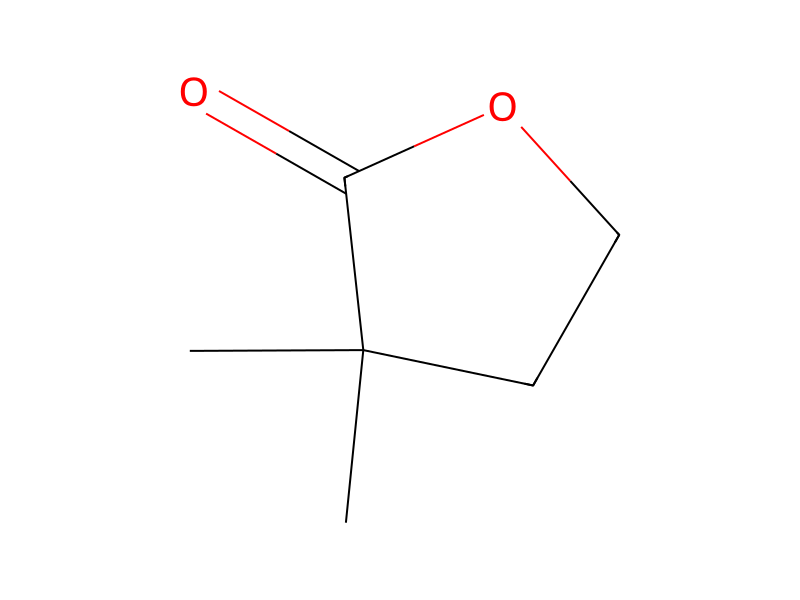
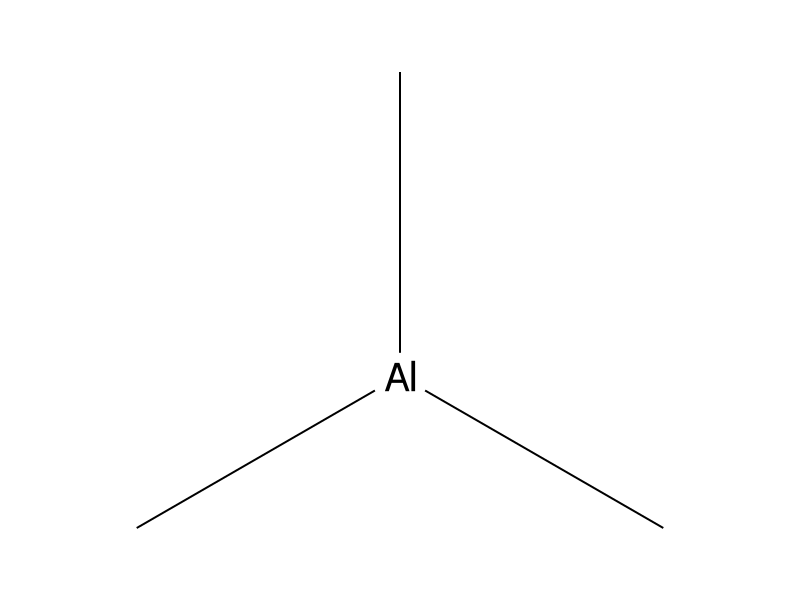
Br.[NH2:2][C:3]1[CH:15]=[C:14]2[C:6]([C:7]3[C:8]([Br:19])=[CH:9][CH:10]=[C:11]([C:16]([NH2:18])=[O:17])[C:12]=3[NH:13]2)=[CH:5][CH:4]=1.[CH3:20][C:21]1([CH3:27])[CH2:25][CH2:24][O:23][C:22]1=[O:26].C[Al](C)C.O>C1COCC1>[Br:19][C:8]1[C:7]2[C:6]3[C:14](=[CH:15][C:3]([NH:2][C:22](=[O:26])[C:21]([CH3:27])([CH3:20])[CH2:25][CH2:24][OH:23])=[CH:4][CH:5]=3)[NH:13][C:12]=2[C:11]([C:16]([NH2:18])=[O:17])=[CH:10][CH:9]=1A mixture of 7-amino-4-bromo-9H-carbazole-1-carboxamide hydrobromide (Example 54-2, 500 mg, 1.299 mmol) and 3,3-dimethyldihydrofuran-2(3 H)-one (222 mg, 1.948 mmol) in THF (10 mL) was treated with trimethylaluminum (2 M in toluene, 562 mg, 7.79 mmol) dropwise at rt. The mixture was heated at 50° C. for 1.5 h, cooled to rt and treated with water. The mixture was filtered through Celite and the solids were washed thoroughly with DCM and methanol. The filtrate was washed with water, dried and concentrated, and the residue was purified by column chromatography (eluting with a gradient from DCM to 10% ammonia-methanol-DCM) to provide 4-bromo-7-(4-hydroxy-2,2-dimethylbutanamido)-9H-carbazole-1-carboxamide as a yellow solid (250 mg, 46%). Mass spectrum m/z 418, 420 (M+H)+.