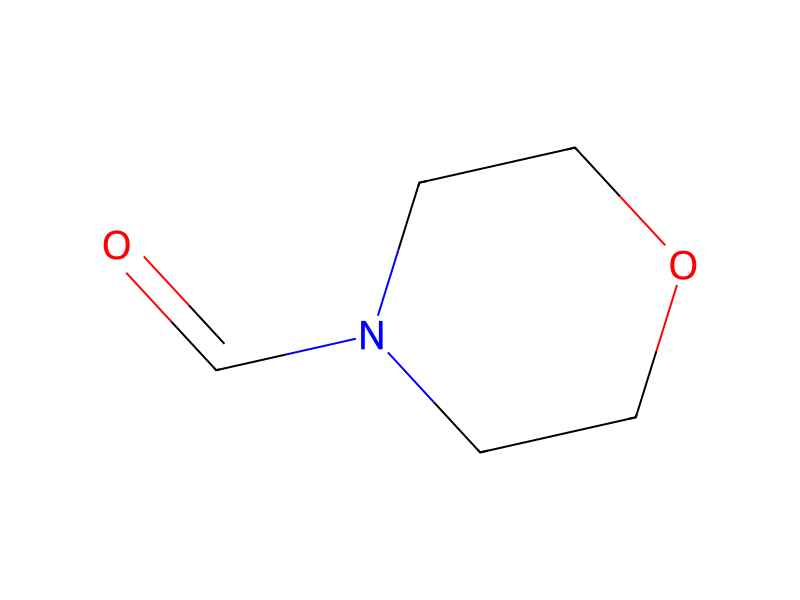
Br[C:2]1[CH:7]=[CH:6][C:5]([O:8][CH3:9])=[C:4]([CH2:10][O:11][CH2:12][C:13]2[CH:18]=[CH:17][C:16]([C:19]([F:22])([F:21])[F:20])=[CH:15][CH:14]=2)[CH:3]=1.C([Li])CCC.[CH:28](N1CCOCC1)=[O:29].Cl>O1CCCC1>[CH3:9][O:8][C:5]1[CH:6]=[CH:7][C:2]([CH:28]=[O:29])=[CH:3][C:4]=1[CH2:10][O:11][CH2:12][C:13]1[CH:18]=[CH:17][C:16]([C:19]([F:22])([F:21])[F:20])=[CH:15][CH:14]=11.4 g of 4-bromo-1-methoxy-2-({[4-(trifluoromethyl)benzyl]oxy}methyl)benzene was dissolved in 15 ml tetrahydrofuran and cooled at −78° C., and 3.0 ml n-butyl lithium (1.5 M solution in pentane) was added. After stirring the reaction mixture at −78° C. for 30 minutes, 0.45 ml N-formyl morpholine was added, and the mixture was stirred at −78° C. for 1 hour. 1N hydrochloric acid was added to the reaction solution, followed by extracting with ethyl acetate. The organic layer was washed with brine, dried over anhydrous magnesium sulfate and the solvent was evaporated. The residue was subjected to silica gel column chromatography, and from fractions eluted with hexane-ethyl acetate (3:1), 0.42 g of 4-methoxy-3-({[4-(trifluoromethyl)benzyl]oxy}methyl)benzaldehyde was obtained.