Hydrochloric Acid → 3,5-Dichloro-4-pyridinecarbaldehyde oxime
Reaktionsgleichung

[Cl:1][C:2]1[CH:3]=[N:4][CH:5]=[C:6]([Cl:10])[C:7]=1[CH:8]=O.Cl.[NH2:12][OH:13].[OH-].[Na+].Cl>C(OCC)C.C(O)C.O>[Cl:1][C:2]1[CH:3]=[N:4][CH:5]=[C:6]([Cl:10])[C:7]=1[CH:8]=[N:12][OH:13]Komponenten
7
Edukt 4




Produkt 1

Reagenzien, Katalysatoren, Lösungsmittel 2

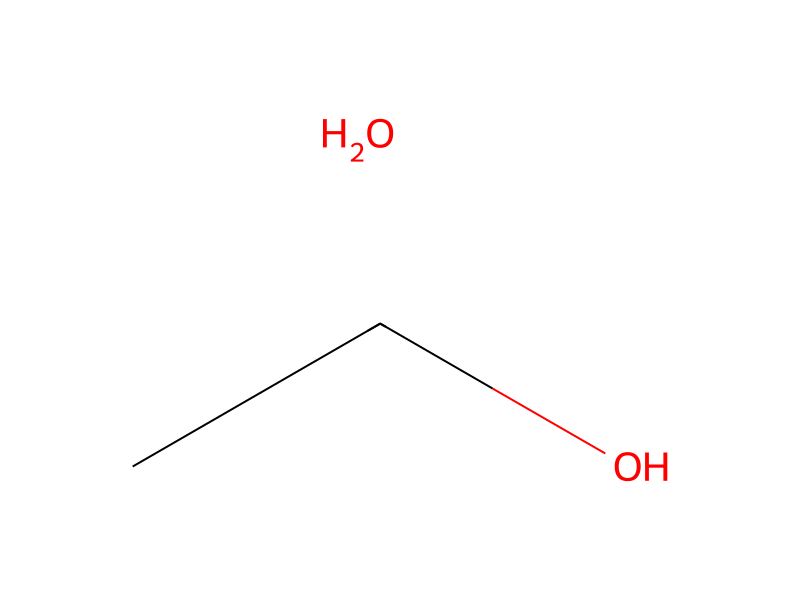
Versuchsvorschrift
Combine 3,5-dichloropyridine-4-carboxaldehyde (2.80 g, 0.016 mol) with hydroxylamine hydrochloride (1.13 g, 0.018 mol) and ice (50 g) in an ethanol/water (30 mL/30 mL) mixture. Add aqueous sodium hydroxide (1.63 g, 0.024 mol, in 20 mL of water) dropwise and stir for 4 h near ambient temperature. Adjust the mixture to approx. pH 7.0 with aqueous hydrochloric acid and extracte with diethyl ether. Dry the combined extracts over sodium sulfate and concentrate in vacuo to give the desired crude oxime (3.00 g, 88%) as a light solid. MS(ES): (M+1)+ 190.9, 192.9 m/z.
Aufarbeitung
- dry with materialDry the combined extracts over sodium sulfate
- concentrationconcentrate in vacuo
Quellen und Nachweise
- ORD-Eintrag
- ord-e0a1c12509244b5083ccc856b89e579c
- Quelldatensatz
- uspto-grants-2006_05
- Patentnummer
- US07037921B2
Notizen zur Reaktion
Wird geladen…