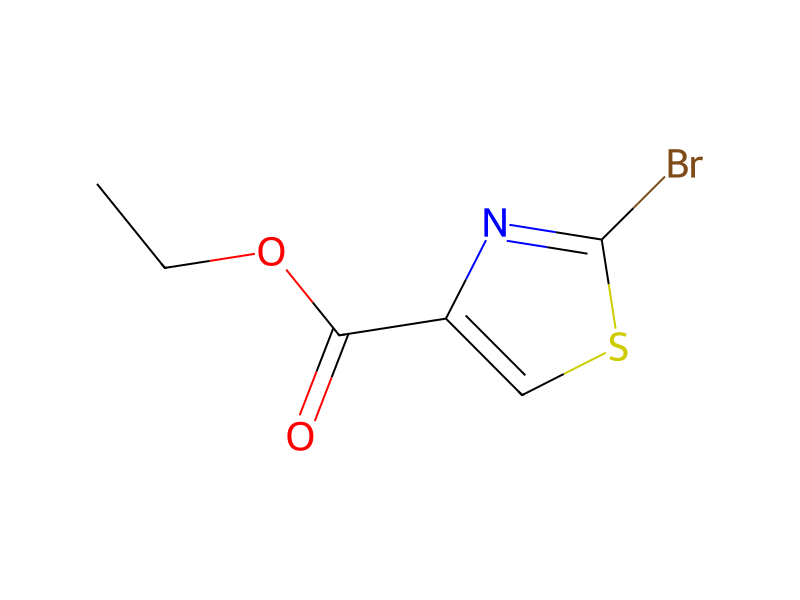
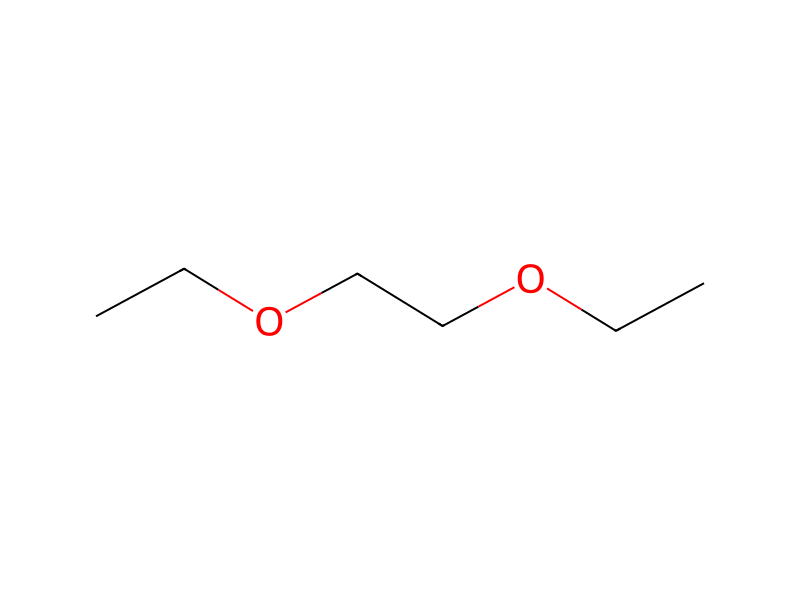
Br[C:2]1[S:3][CH:4]=[C:5]([C:7]([O:9][CH2:10][CH3:11])=[O:8])[N:6]=1.[Cl:12][C:13]1[CH:18]=[CH:17][CH:16]=[CH:15][C:14]=1B(O)O.C(=O)([O-])[O-].[Na+].[Na+].C(Cl)Cl>C(OCCOCC)C.[Pd].C1(P(C2C=CC=CC=2)C2C=CC=CC=2)C=CC=CC=1.C1(P(C2C=CC=CC=2)C2C=CC=CC=2)C=CC=CC=1.C1(P(C2C=CC=CC=2)C2C=CC=CC=2)C=CC=CC=1.C1(P(C2C=CC=CC=2)C2C=CC=CC=2)C=CC=CC=1.O>[Cl:12][C:13]1[CH:18]=[CH:17][CH:16]=[CH:15][C:14]=1[C:2]1[S:3][CH:4]=[C:5]([C:7]([O:9][CH2:10][CH3:11])=[O:8])[N:6]=1To a solution of ethyl 2-bromo-4-thiazolecarboxylate (2.0 g, 8.5 mmol), prepared as described above, in ethylene glycol diethyl ether (15 mL) is added 2-chlorophenylboronic acid (1.73 g, 11.1 mmol), 2N sodium carbonate (17 mL) and tetrakis(triphenylphosphine) palladium (0) (492 mg, 0.43 mmol). The reaction is subsequently sealed and heated to 80° C. for 3 hours under an argon atmosphere. Once complete, the reaction mixture is poured into CH2Cl2 and of water is added. The organic layer is separated, dried over sodium sulfate and concentrated to provide a yellow oil. The crude product is purified by column chromatography (10% ethyl acetate in hexanes) to afford 1.44 g of ethyl 2-(2-chlorophenyl)-4-thiazolecarboxylate.