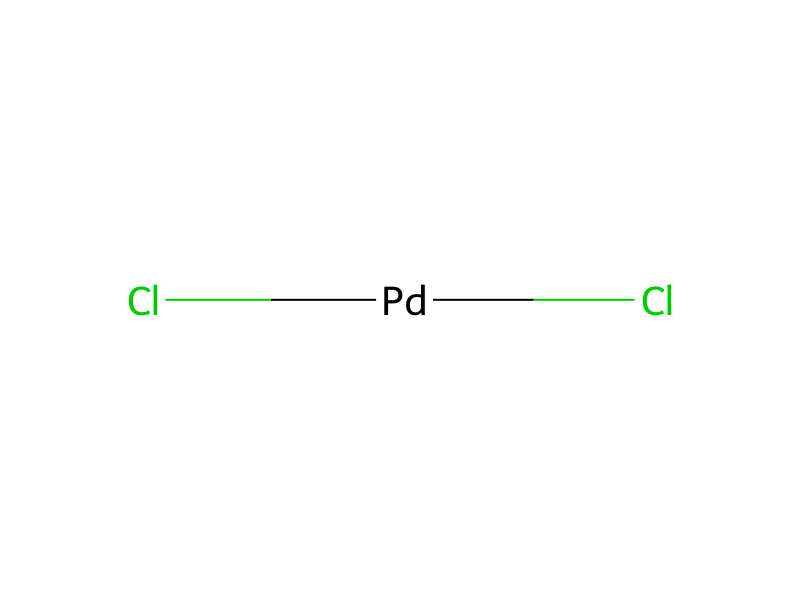
A mixture of 1.90 gm (10 mmol) 5-bromobenzofuran, 183 mg (0.6 mmol) tri(o-tolyl)phosphine, 4.3 mL (15 mMol) tributyl tin methoxide, and 1.7 mL (15.4 mMol) isopropenyl acetate in 55 mL toluene was sparged with nitrogen for 15 minutes. To this mixture were then added 54 mg (0.3 mMol) palladium(II) chloride and the mixture was heated to 100° C. for 3 hours. The reaction mixture was cooled to room temperature and concentrated under reduced pressure. The residue was filtered through a bed of 100 gm silica gel, eluting with 1 liter of 1:1 hexane:ethyl acetate. Fractions containing crude product were combined and concentrated under reduced pressure. The residue was subjected to silica gel chromatography, eluting with a gradient of hexane containing from 0–20% ethyl acetate. Fractions containing product were combined and concentrated under reduced pressure to provide about 1.8 gm of the desired compound as an oil which gradually crystallized.