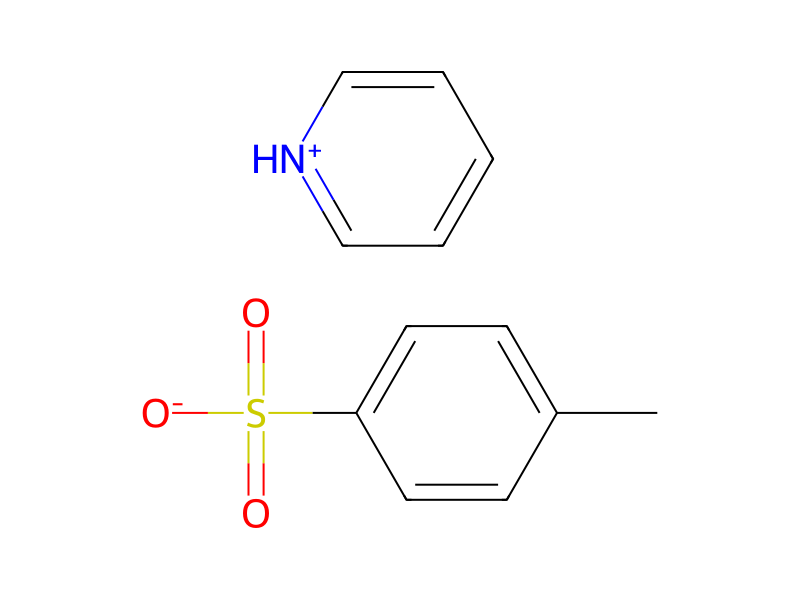
To a solution of 2-chloro-4-hydroxybenzaldehyde (12.0 g, 76.64 mmol) in 175 mL methylene chloride and 10 mL tetrahydrofuran was added 3,4-dihydro-2H-pyran (17.5 mL, 191.6 mmol) and pyridinium p-toluenesulfonate (1.93 g, 7.66 mmol). The reaction mixture was stirred at room temperature for 4 days. Additional 3,4-dihydro-2H-pyran (17.0 mL, 186.3 mmol) and pyridinium p-toluenesulfonate (1.85 g, 7.36 mmol) were added, followed by 5A molecular sieves, and the reaction mixture continued to stir at room temperature for 3 days. Saturated aqueous sodium bicarbonate and water were added. The layers were separated and the aqueous layer was extracted with a second portion of methylene chloride. The combined organic layers were dried (sodium sulfate), filtered, and concentrated. Silica gel flash chromatography of the residue (20% ethyl acetate/hexanes to 50% ethyl acetate/hexanes) afforded 13.37 g (72%) of the title compound of Step A. MS 241.0 (M+1)+