StartseiteMCPWorkbenchSkills
StartseiteWorkbenchBenachrichtigungenMein Bereich
llms.txt · MCP-AnleitungDatenschutz · Nutzungsbedingungen · Supportv1.8.3
  1. Startseite
  2. /Reaktion

Diisopropylamine → 4-Chloropyridine-3-carbaldehyde

HRID 1830546
Drucken

Reaktionsgleichung

Reaktionsgleichung von HRID 1830546
Cl.[Cl:2][C:3]1[CH:8]=[CH:7][N:6]=[CH:5][CH:4]=1.[C:9]([O-])(O)=[O:10].[Na+].CCOCC.[Li+].CCC[CH2-].C(NC(C)C)(C)C.ClC1C=CN=CC=1.C(OCC)=O>C1COCC1>[Cl:2][C:3]1[CH:8]=[CH:7][N:6]=[CH:5][C:4]=1[CH:9]=[O:10]
KomponentenReaktionsbedingungenVersuchsvorschriftAufarbeitungQuellen und NachweiseNotizen zur Reaktion

Komponenten

8

Edukt 6

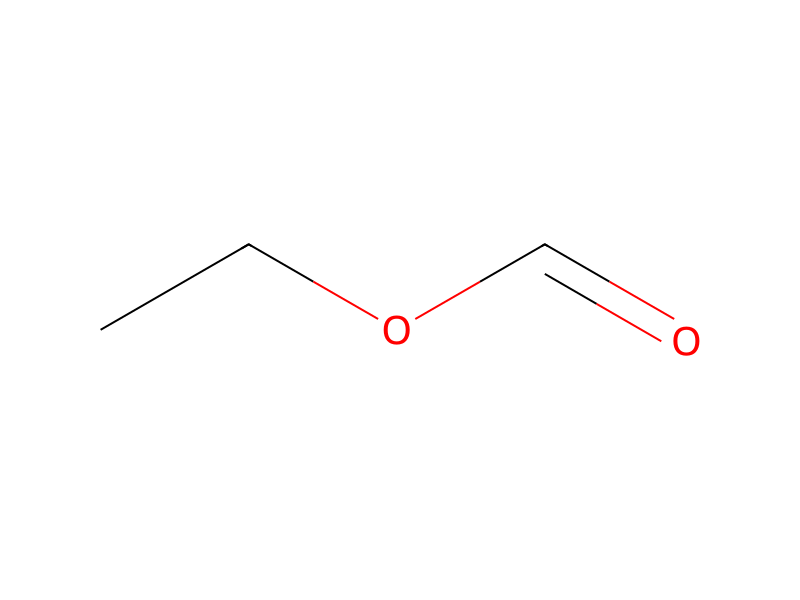
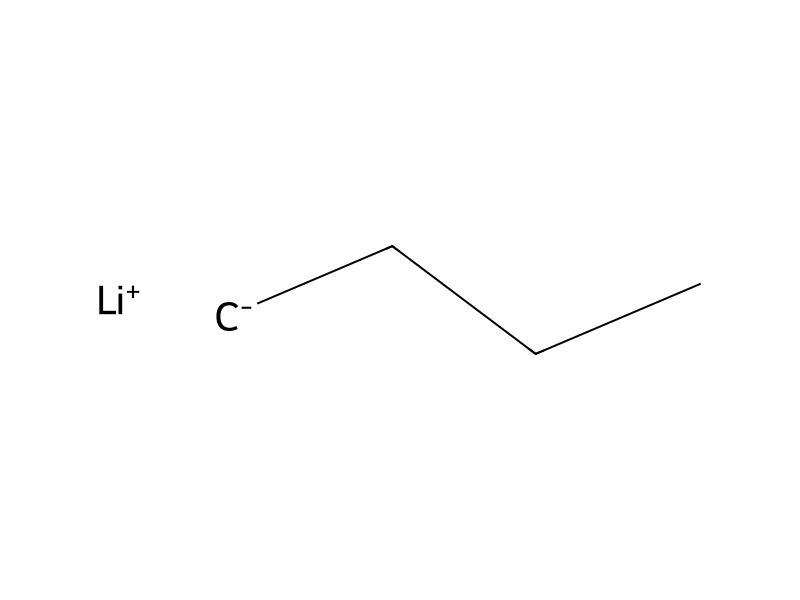
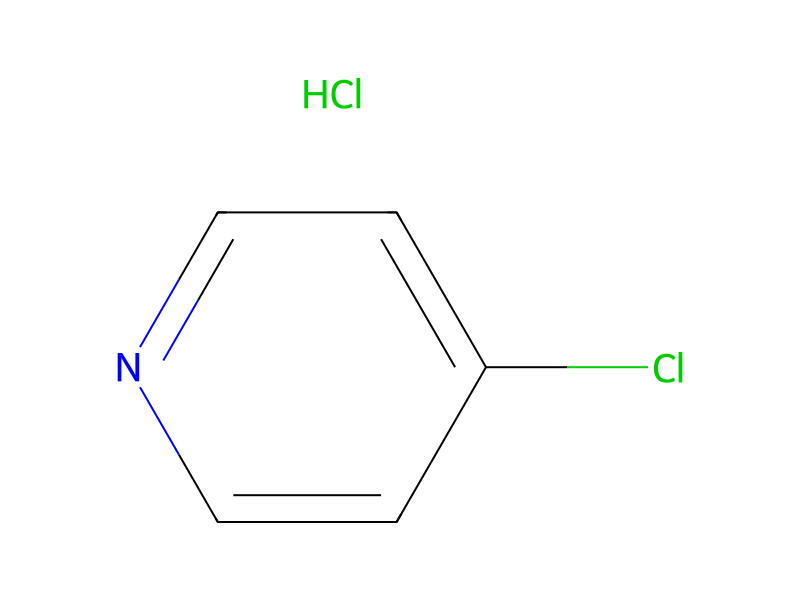
HCID 7912DiisopropylamineHCID 8025Ethyl formateHCID 122884-ChloropyridineHCID 61028n-Butyl lithiumHCID 818524-Chloropyridine hydrochlorideHCID 23682952Ether sodium bicarbonate

Produkt 1

HCID 14046674
4-Chloropyridine-3-carbaldehyde
Ausbeute 21 %

Reagenzien, Katalysatoren, Lösungsmittel 1

HCID 8028TetrahydrofuranLösungsmittel3×

Reaktionsbedingungen

Temperatur
-70 °C

Versuchsvorschrift

4-Chloropyridine hydrochloride (15 g, 99.9 mmol) is free-based by stirring in 1000 mL 1:1 saturated NaHCO3/ether for 1 h. The layers are allowed to separate, the aqueous layer is extracted with ether (2×175 mL), and the combined organic layer is dried over MgSO4, filtered, and concentrated to an oil. THF (300 mL) is chilled to −70° C. in a dry flask. N-butyllithium (105.1 mL, 168.2 mmol) is added drop-wise, and the mixture is placed in an ice bath. Diisopropylamine (23.6 mL. 168.4 mmol) in THF (50 mL) is added drop-wise, the yellow solution is stirred for 30 min, and the reaction is cooled to −70° C. The free-based 4-chloropyridine oil (9.55 g, 84.1 mmol) is dissolved in THF (50 mL) and added drop-wise to the chilled yellow solution, that turned dark red after the addition. The reaction is stirred at −70° C. for 2 h. Ethyl formate (13.6 mL, 168.3 mmol) in THF (25 mL) is then added drop-wise to the dark solution at −70° C. After 2 hours, the reaction is warmed to −10° C. and quenched with water (450 mL). The layers are allowed to separate, and the aqueous layer is extracted with ether (3×200 mL). The combined organic layer is dried over MgSO4, filtered, and concentrated in vacuo to an oil. The crude material is chromatographed over 320 g slurry-packed silica eluting with 30% EtOAc/hexane. The fractions with the desired compound are collected and concentrated to an orange oil which solidified under vacuum, affording 4-chloropyridine-3-carboxaldehyde (C140) as an orange solid (21% yield).


Aufarbeitung

  1. customto separate
  2. extractionthe aqueous layer is extracted with ether (2×175 mL)
  3. dry with materialthe combined organic layer is dried over MgSO4
  4. filtrationfiltered
  5. concentrationconcentrated to an oil
  6. customthe mixture is placed in an ice bath
  7. temperaturethe reaction is cooled to −70° C
  8. additionadded drop-wise to the chilled yellow solution, that
  9. additionred after the addition
  10. stirringThe reaction is stirred at −70° C. for 2 h
  11. waitAfter 2 hours
  12. temperaturethe reaction is warmed to −10° C.
  13. customquenched with water (450 mL)
  14. customto separate
  15. extractionthe aqueous layer is extracted with ether (3×200 mL)
  16. dry with materialThe combined organic layer is dried over MgSO4
  17. filtrationfiltered
  18. concentrationconcentrated in vacuo to an oil
  19. customThe crude material is chromatographed over 320 g slurry-packed silica eluting with 30% EtOAc/hexane
  20. customThe fractions with the desired compound are collected
  21. concentrationconcentrated to an orange oil which

Quellen und Nachweise

ORD-Eintrag
ord-b758e646e3dd4919851b539cfa1f7b1a
Quelldatensatz
uspto-grants-2006_06
DOI
10.6084/m9.figshare.5104873.v1
Patentnummer
US07067515B2

Notizen zur Reaktion

Auf dieser SeiteKomponentenReaktionsbedingungenVersuchsvorschriftAufarbeitungQuellen und NachweiseNotizen zur Reaktion