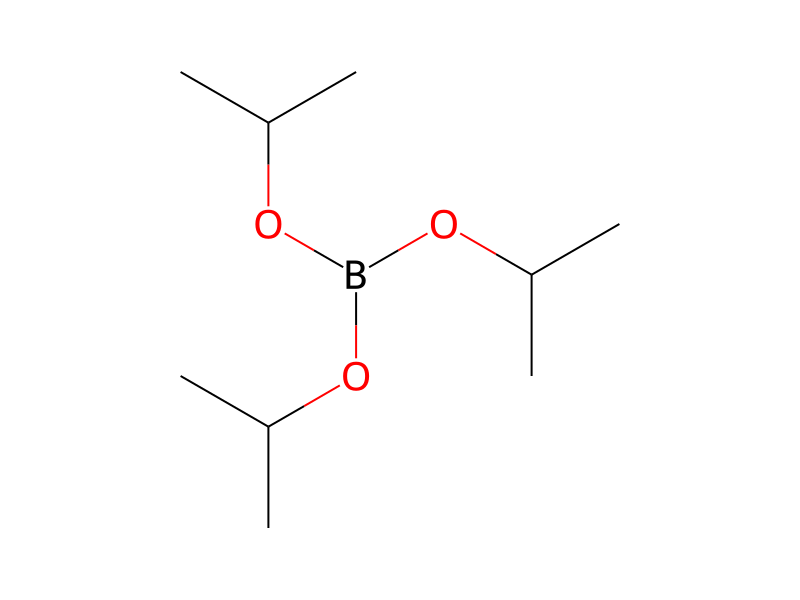
Into a 100 mL 3-necked round-bottom flask purged and maintained under an inert atmosphere of nitrogen, was placed a solution of 1-(2-fluorophenoxy)-4-iodobenzene (3.3 g, 10.51 mmol, 1.00 equiv) in tetrahydrofuran (50 mL). n-BuLi (4.4 mL) was added dropwise with stirring at −78° C. The resulting solution was stirred for 10 mins at −78° C. and then tris(propan-2-yl)borate (2.1 g, 11.17 mmol, 1.06 equiv) was added dropwise with stirring at −78° C. over 10 min. The resulting solution was stirred while the temperature warmed from −78° C. to room temperature. The reaction was then quenched by the addition of saturated aqueous NH4Cl and concentrated under vacuum. The resulting solution was diluted with 10% aquious potassium hydroxide and then washed with ether. The pH of the aqueous was adjusted to 2-4 with hydrogen chloride (37%). The resulting solution was extracted with ethyl acetate and the organic layers combined and dried over anhydrous sodium sulfate and concentrated under vacuum to give 2.2 g (90%) of [4-(2-fluorophenoxy)phenyl]boronic acid as a white solid