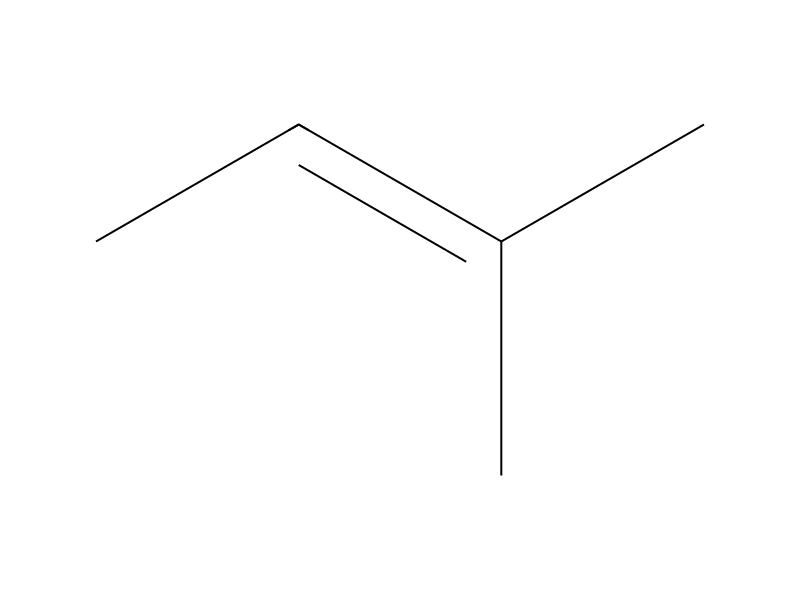
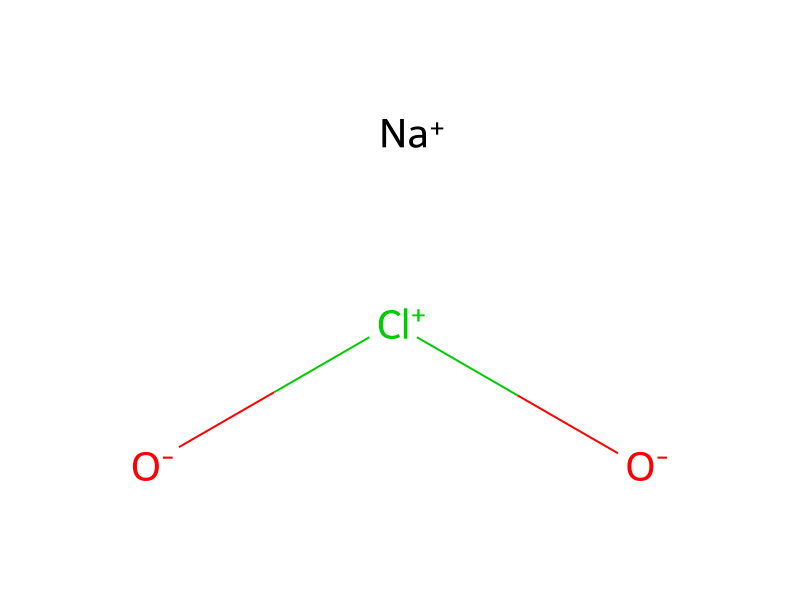
[CH2:1]([O:3][C:4]([C:6]1[NH:7][C:8]2[C:13]([C:14]=1[CH:15]=[O:16])=[CH:12][CH:11]=[C:10]([Cl:17])[CH:9]=2)=[O:5])[CH3:2].CC(=CC)C.[O-:23]Cl=O.[Na+]>C(O)(C)(C)C.O>[CH3:2][CH2:1][O:3][C:4]([C:6]1[NH:7][C:8]2[C:13]([C:14]=1[C:15]([OH:23])=[O:16])=[CH:12][CH:11]=[C:10]([Cl:17])[CH:9]=2)=[O:5]To a solution of 0.104 g (0.413 mmol) of 6-Chloro-3-formyl-1H-indole-2-carboxylic acid ethyl ester in a mixture of tert-butanol (10 ml) and H2O (5 ml), was added 2-methyl-2-butene (2 ml) followed by a solution of NaClO2 (0.344 g, 3.80 mmol) and NaH2PO4 (0.399 g, 2.90 mmol) in water (2 ml). The mixture was stirred overnight at RT. The organic solvents were removed, and then the aqueous solution diluted with water, and washed twice with hexane. The ph of the aqueous phase was adjusted to 3 by addition of aq. HCl 1N, and the product extracted with EtOAc. The combined organic phases were dried over Na2SO4 and concentrated in vacuo to afford 15 mg (14%) of 6-chloro-1H-indole-2,3-dicarboxylic acid 2-ethyl ester as alight yellow solid.