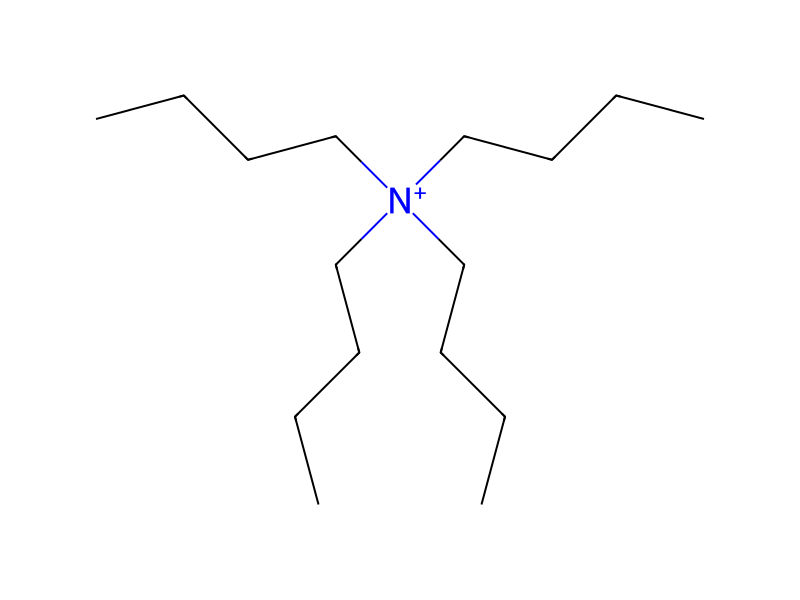
[OH-].[Na+].[C:3]1([OH:9])[CH:8]=[CH:7][CH:6]=[CH:5][CH:4]=1.[CH2:10]([O:17][C:18]1[CH:19]=[C:20]2[C:25](=[CH:26][CH:27]=1)[N:24]=[C:23](Cl)[CH:22]=[CH:21]2)[C:11]1[CH:16]=[CH:15][CH:14]=[CH:13][CH:12]=1.C([N+](CCCC)(CCCC)CCCC)CCC>O.C1(C)C=CC=CC=1>[CH2:10]([O:17][C:18]1[CH:19]=[C:20]2[C:25](=[CH:26][CH:27]=1)[N:24]=[C:23]([O:9][C:3]1[CH:8]=[CH:7][CH:6]=[CH:5][CH:4]=1)[CH:22]=[CH:21]2)[C:11]1[CH:16]=[CH:15][CH:14]=[CH:13][CH:12]=1To a 50% (w/w) NaOH solution (10.2 ml) is added phenol (0.697 g). After 50 minutes at room temperature, toluene (10.21 ml) and 6-(benzyloxy)-2-chloroquinoline 12 (2 g) and tetrabutyl ammonium (2.062 g) are added. The solution is stirred under argon at reflux for 24 h. Water (5 ml) is added and the solution is extracted with toluene (3×10 ml). The organic phases are dried over MgSO4 and evaporated under vacuum. The residue is purified by silica gel chromatography using AcOEt/cyclohexane 20/80 as eluent. The obtained solid is dissolved in AcOEt and pentane is added; 6-(benzyloxy)-2-phenoxyquinoline 13 precipitates as a white powder.