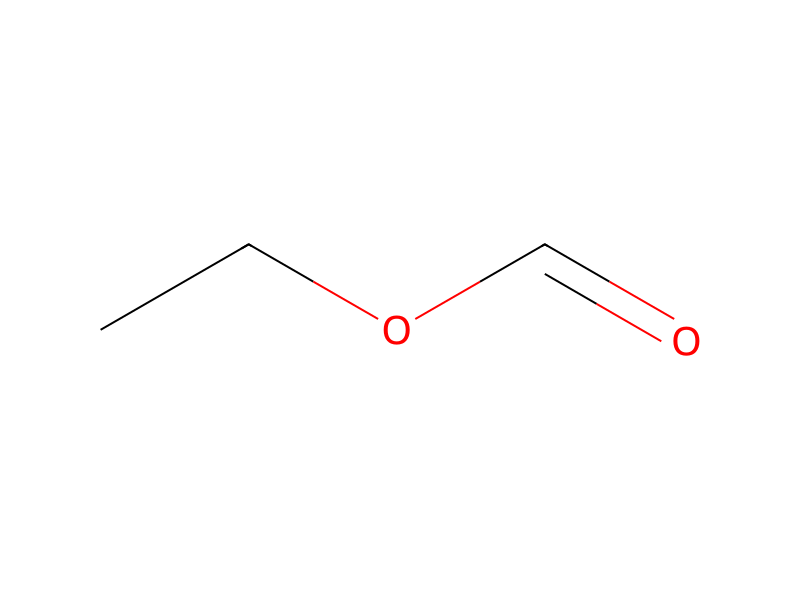
To a cold solution of butyllithium (0.498 g, 1.7 mmol) in 2 mL dry THF at −20C. was added diisopropyl amine (0.192 g, 1.9 mmol) drop wise and reaction mixture was allowed to stir at 0° C. for 1 h. then reaction mixture was again cooled to −78° C. and a solution of 2-chloro-8-trifluoromethyl-quinoline (0.4 g, 1.70 mmol) in 4 mL dry THF was added drop wise continued stirring for 5-10 min then added ethyl formate (0.12 g, 1.7 mmol) drop wise, continued stirring for 0.5 h. n-Butyllithium was quenched with ammonium chloride solution and extracted with ether (3×10 mL). The combined organic layers were washed with brine solution, dried over sodium sulfate, concentrated under vacuum to get the crude compound. The crude residue was purified over silica gel (100-200 mesh) using 10% ethyl acetate: petroleum ether to afford the desired compound (0.15 g, 34%).