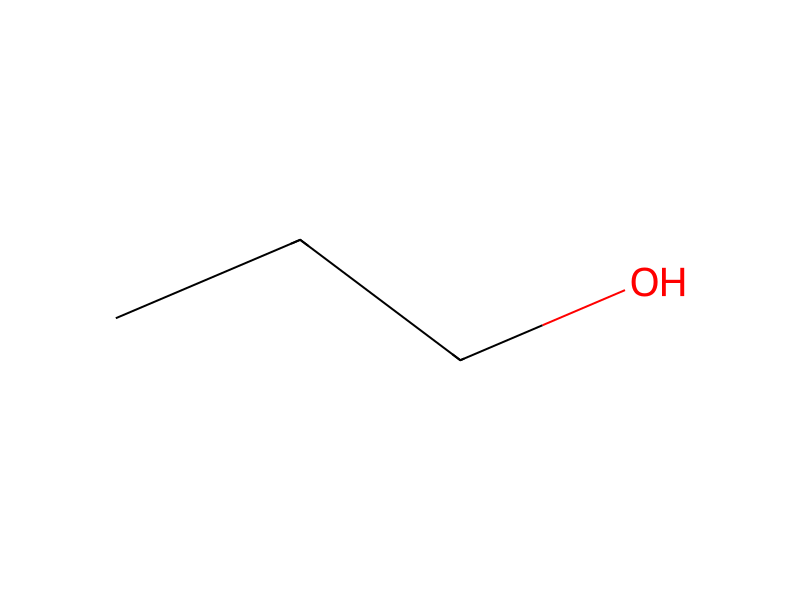
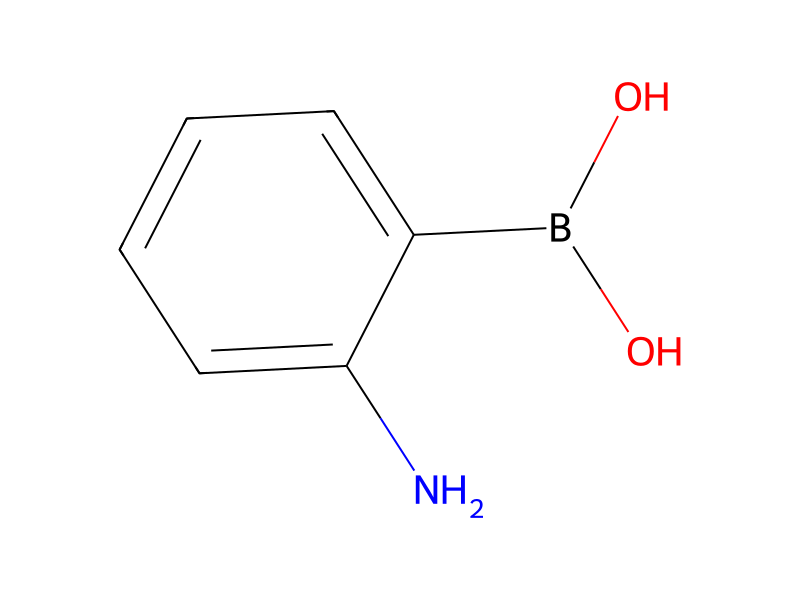
2-Aminophenylboronic acid (238 mg, 1.74 mmol), 5-bromo-1,2-dimethyl-1H-imidazole-4-carbonitrile (0.200 g, 1.00 mmol), and n-propanol (1.75 mL) were combined and placed under a nitrogen atmosphere. Palladium (II) acetate (134 μL of a 5 mg/mL solution in toluene, 0.003 mmol), triphenylphosphine (2.4 mg, 0.009 mmol), aqueous sodium carbonate (0.600 mL of 2 M) and water (0.350 mL) were added, and the vessel was evacuated and filled with nitrogen three times. The reaction was sealed and heated under a nitrogen atmosphere at 100° C. for four hours, allowed to cool to room temperature, further cooled with ice, and then partitioned between 2M aqueous sodium carbonate and dichloromethane. The aqueous layer was separated and extracted twice with chloroform. The combined organic fractions were dried over magnesium sulfate, filtered, and concentrated under reduced pressure to provide 210 mg of 5-(2-aminophenyl)-1,2-dimethyl-1H-imidazole-4-carbonitrile as a brown oil that crystallized upon standing.