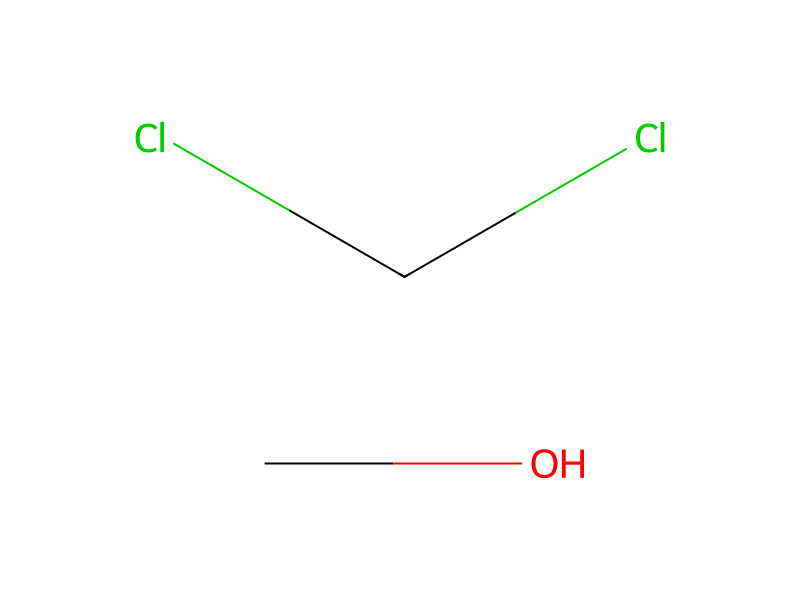
To a suspension of N-(5-ammoniopentyl]acrylamide trifluoracetate (6.12 g, 22.64 mmol) and DIPEA (6.94 ml, 2.2 eq) in THF (120 ml) was added bromoacetyl chloride (2.07 ml, 1.1 eq) through a pressure equalized dropping funnel, over a one hour period and at −60° C. (cardice and isopropanol bath). The reaction mixture was then stirred at room temperature overnight and the completion of the reaction was checked by TLC (dichloromethane:methanol 9:1) the following day. The salts formed during the reaction were filtered off and the reaction mixture evaporated to dryness. The residue was purified by chromatography (neat dichloromethane followed by a gradient of methanol up to 5%). 3.2 g (11.55 mmol, 51%) of the product (N-[5-(2-Bromoacetyl)aminopentyl]acrylamide) were obtained as a white powder. A further recrystallization performed from petroleum ether:ethyl acetate mixture gave 3 g of the product.