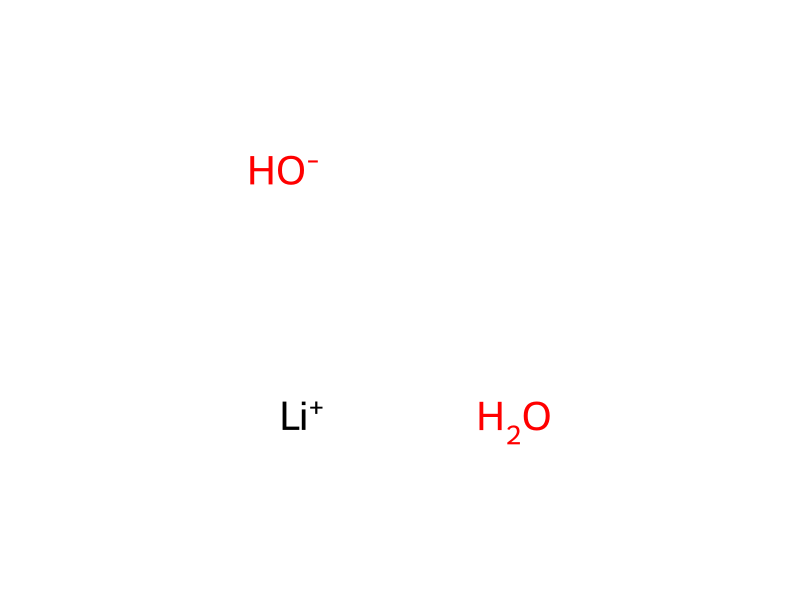
C[O:2][C:3](=[O:25])[CH:4]([N:11]1[CH2:15][C:14]([O:16][C:17]2[CH:22]=[CH:21][CH:20]=[CH:19][C:18]=2[Cl:23])=[CH:13][C:12]1=[O:24])[CH2:5][C@H:6]1[CH2:9][C@H:8]([CH3:10])[CH2:7]1.O.O.[OH-].[Li+]>O1CCCC1>[Cl:23][C:18]1[CH:19]=[CH:20][CH:21]=[CH:22][C:17]=1[O:16][C:14]1[CH2:15][N:11]([CH:4]([CH2:5][C@H:6]2[CH2:7][C@H:8]([CH3:10])[CH2:9]2)[C:3]([OH:25])=[O:2])[C:12](=[O:24])[CH:13]=1In a flask was placed 2-[4-(2-chloro-phenoxy)-2-oxo-2,5-dihydro-pyrrol-1-yl]-3-(trans-3-methyl-cyclobutyl)-propionic acid methyl ester (107 mg, 0.29 mmol) dissolved in a 1:1 solution of tetrahydrofuran:water (8 mL). To this mixture was added lithium hydroxide monohydrate (25 mg, 0.58 mmol) and the resulting mixture stirred for 1.5 h at 25° C. After such time, the mixture was concentrated in vacuo to remove the tetrahydrofuran and partioned between 1N aqueous hydrochloric acid (10 mL) and ethyl acetate (10 mL). The organic layer was separated and dried over sodium sulfate and concentrated in vacuo to afford 2-[4-(2-chloro-phenoxy)-2-oxo-2,5-dihydro-pyrrol-1-yl]-3-(trans-3-methyl-cyclobutyl)-propionic acid (102 mg, 100%) as a light amber semi-solid: HR-ES-MS m/z calculated for C18H20NO4Cl [M+H]+ 350.1154, observed 350.1154.