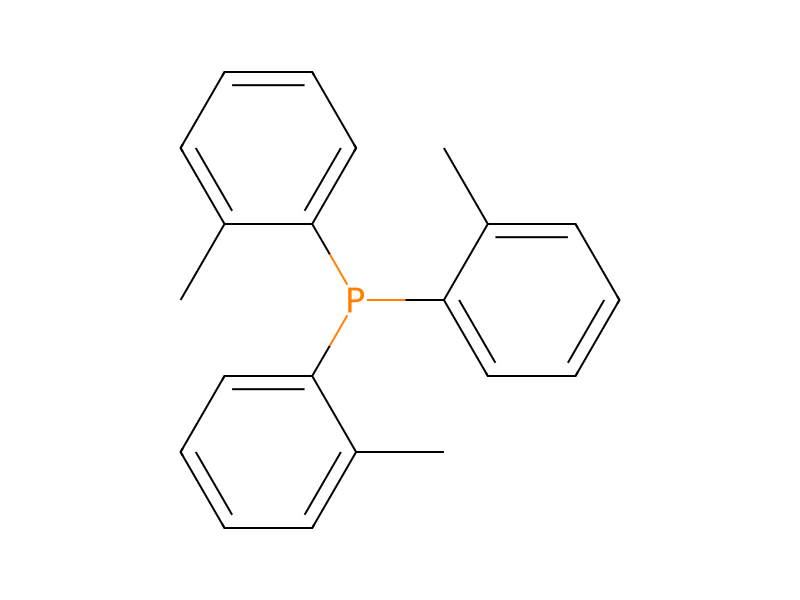
Br[C:2]1[C:11]2[C:6](=[CH:7][C:8]([Cl:12])=[CH:9][CH:10]=2)[N:5]=[CH:4][CH:3]=1.[CH2:13]=[CH:14][C:15]1[CH:20]=[CH:19][CH:18]=[CH:17][CH:16]=1>C([O-])(=O)C.[Pd+2].C([O-])(=O)C.C1(C)C=CC=CC=1P(C1C=CC=CC=1C)C1C=CC=CC=1C.C(N(CC)CC)C>[C:15]1([CH:14]=[CH:13][C:2]2[C:11]3[C:6](=[CH:7][C:8]([Cl:12])=[CH:9][CH:10]=3)[N:5]=[CH:4][CH:3]=2)[CH:20]=[CH:19][CH:18]=[CH:17][CH:16]=1A mixture of 4-bromo-7-chloroquinoline (24.3 g, 0.1 mol), styrene (12.0 g, 0.125 mol), tri(o-tolyl) phosphine (0.4 g, 1.3 mmol), palladium acetate (0.2 g, 0.89 mol) and triethylamine (120 mls) was charged into a 300 ml stirred pressure vessel and heated at 120° C. for 17 hours. The mixture was cooled, filtered to remove triethylamine hydrobromide, and the solids washed with ethyl acetate (250 ml). Solvents were evaporated under reduced pressure and the residue dissolved in ethyl acetate (500 ml). The solution was washed with water and brine, and dried over anhydrous sodium sulphate. Evaporation of the solvent under reduced pressure and recrystallisation of the residue from ethyl acetate: hexane gave the product (13.5 g, 51%) as an orange solid, mp 120-122° C.