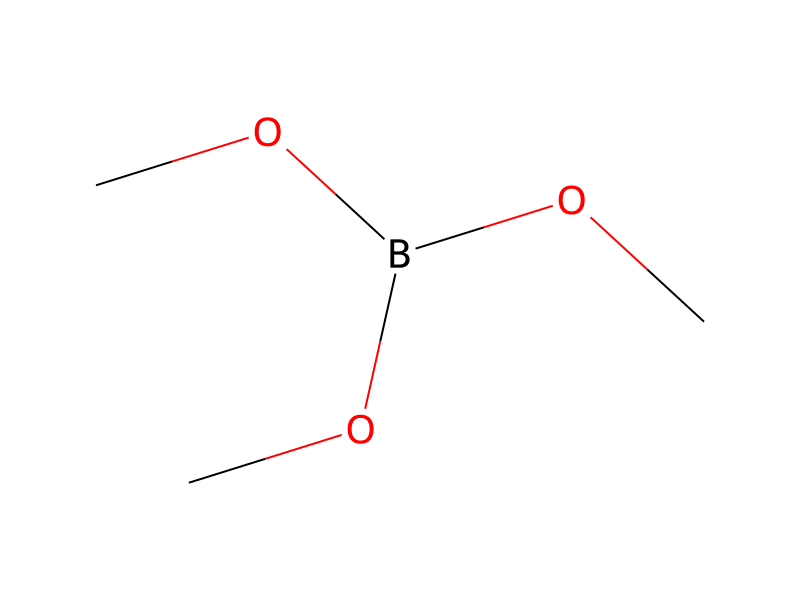
To a −78° C. solution of 7-bromo-4-methyl-3,4-dihydro-2H-1,4-benzoxazine (90%, 10.40 g, 41.0 mmol) in tetrahydrofuran (70 mL) under nitrogen was slowly added n-butyllithium solution (1.4 M in hexanes, 32 mL, 45 mmol) and the resulting suspension was stirred at −78° C. for 35 min. Trimethyl borate (6.0 mL, 54 mmol) was then added dropwise and the clear solution was stirred at −78° C. for 25 min and at ambient temperature for 16 h. The reaction was cooled to 0° C. and aqueous hydrogen peroxide (8.2 mL, 35%, 95 mmol) was slowly added. The resulting mixture was stirred at 0° C. for 10 min and at ambient temperature for 5 h. The insoluble material was removed by filtration and the filter cake was washed with ethyl acetate. The filtrate was concentrated under reduced pressure and the residue was taken up into ethyl acetate (100 mL) and was acidified with hydrochloric acid (100 mL, 1 M). The layers were separated and the organic solution was extracted with water (2×50 mL). The combined aqueous solution was neutralized to pH ˜6-7 with 5 M sodium hydroxide and extracted with ethyl acetate (3×100 mL). This organic solution was washed with brine (200 mL) and dried over sodium sulfate and filtered. The filtrate was concentrated under reduced pressure. The residue was purified by flash column chromatography with hexanes/ethyl acetate (2:1) to afford 4-methyl-3,4-dihydro-2H-benzo[b][1,4]oxazin-7-ol (6.04 g, 89%) as a light brown solid: mp 84-87° C. (diethyl ether); 1H NMR (300 MHz, CDCl3) δ6.59 (d, J=9.0 Hz, 1H), 6.40-6.28 (m, 2H), 5.42 (br s, 1H), 4.30 (dd, J=4.2, 4.2 Hz, 2H), 3.19-3.09 (m, 2H), 2.80 (s, 3H); 13C NMR (75 MHz, CDCl3) δ149.1, 145.6, 130.5, 114.7, 108.0, 104.1, 65.3, 49.8, 40.1; MS (ES+) m/z 166.1 (M+1).