Guanidine → Diaveridine
Reaktionsgleichung

[CH:1](=O)[C:2]1[CH:11]=[CH:10][C:7]([O:8][CH3:9])=[C:4]([O:5][CH3:6])[CH:3]=1.C[N:14](C)[CH2:15][CH2:16][C:17]#N.[Na].[NH2:21][C:22]([NH2:24])=[NH:23]>C(O)C>[NH2:23][C:22]1[N:24]=[C:15]([NH2:14])[C:16]([CH2:1][C:2]2[CH:11]=[CH:10][C:7]([O:8][CH3:9])=[C:4]([O:5][CH3:6])[CH:3]=2)=[CH:17][N:21]=1Komponenten
6
Edukt 4

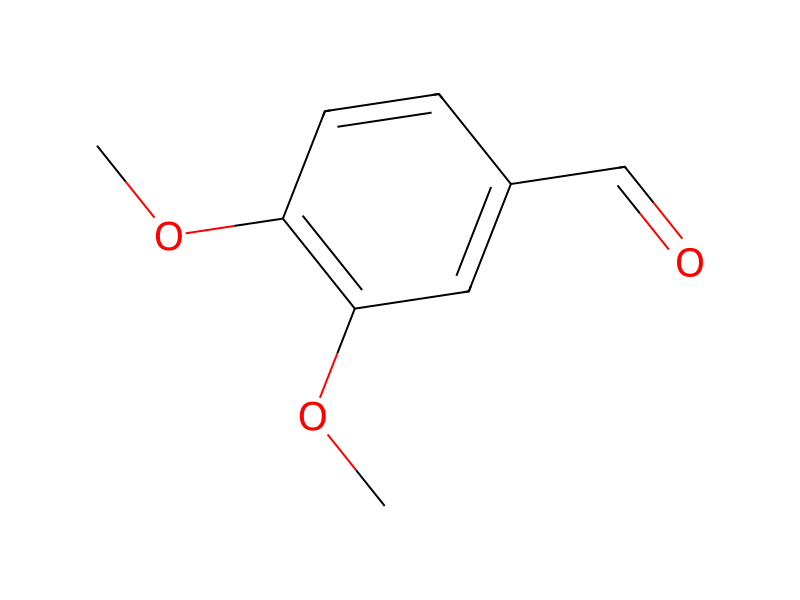


Produkt 1

Reagenzien, Katalysatoren, Lösungsmittel 1

Versuchsvorschrift
The aforesaid British Patent Specification No. 957,797 also describes (Example 14) the reaction of veratraldehyde with β-dimethylaminopropionitrile in the presence of sodium in ethanol to give a mixture of β-dimethylaminoveratralnitrile (III) and β-ethoxyveratralnitrile (IV) in a 32% yield. ##STR4## It is stated in the Example that this mixture was subsequently cyclised with guanidine to give 2,4-diamino-5-(3',4'-dimethoxybenzyl)-pyrimidine. It is to be noted that both the compounds (III) and (IV) above are `benzal` derivatives.
Aufarbeitung
- customto give
Quellen und Nachweise
- ORD-Eintrag
- ord-09d91806cd4147a5817e8c5767767a37
- Quelldatensatz
- uspto-grants-1976_12
- Patentnummer
- US03998814
Notizen zur Reaktion
Wird geladen…