StartseiteMCPWorkbenchSkills
StartseiteWorkbenchBenachrichtigungenMein Bereich
llms.txt · MCP-AnleitungDatenschutz · Nutzungsbedingungen · Supportv1.8.0
  1. Startseite
  2. /Reaktion

Hydrochloric Acid → 8-Fluoro-3,4-dihydro-5-methoxy-1(2H)-naphthalenone

HRID 1975788
Notizen
Druckvorschau

Reaktionsgleichung

Reaktionsgleichung von HRID 1975788
[F:1][C:2]1[CH:7]=[CH:6][C:5]([O:8][CH3:9])=[CH:4][CH:3]=1.[CH2:10]([CH:12](CC(Cl)=O)[C:13](Cl)=[O:14])[CH3:11].[Cl-].[Al+3].[Cl-].[Cl-].Cl.[H][H].C(Cl)(=O)C(Cl)=O>C(Cl)Cl.[Pd].C(O)C.CN(C)C=O>[F:1][C:2]1[CH:7]=[CH:6][C:5]([O:8][CH3:9])=[C:4]2[C:3]=1[C:13](=[O:14])[CH2:12][CH2:10][CH2:11]2
KomponentenReaktionsbedingungenVersuchsvorschriftAufarbeitungQuellen und NachweiseNotizen zur Reaktion

Komponenten

11

Edukt 6

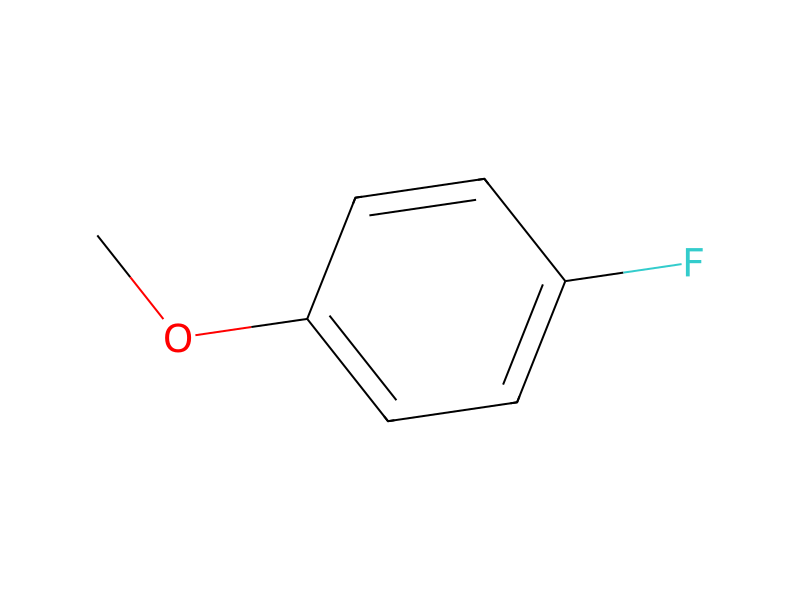
HCID 313Hydrochloric AcidHCID 99874-FluoroanisoleHCID 65578Oxalyl chlorideHCID 6451240Aluminum(III) ChlorideHCID 218646082-Ethylbutanedioyl dichlorideHCID 178418361HCID 178418361, Verbindung

Produkt 1

HCID 10856353
8-Fluoro-3,4-dihydro-5-methoxy-1(2H)-naphthalenone
Ausbeute 47,1 %

Reagenzien, Katalysatoren, Lösungsmittel 4

HCID 6228DimethylformamideKatalysatorHCID 23938PalladiumKatalysatorHCID 702EthanolLösungsmittelHCID 6344DichloromethaneLösungsmittel2×

Reaktionsbedingungen

Temperatur
0 °C

Versuchsvorschrift

4-Fluoro-anisole (25 g, 198 mmol) and 48.8 g of ethyl succinyl chloride (298 mmol) were dissolved in 400 mL methylene chlorie and cooled to 0° C. to the reaction mixture was added 66 g of aluminum chloride over 15 minutes, and the reaction was then allowed to warn to 25° C. After 18 hours, the reaction was quenched by pouring onto ice and the product isolated by extraction. The intermediate keto-ester was hydrogenated over a palladium catalyst in ethanol (200 mL) containing concentrated hydrochloric acid (10 mL) until the theoretical amount of hydrogen was consumed. After the catalyst was removed by filtration and the filtrate concentrated under reduced pressure, the intermediate ester was treated with aqueous potassium hydroxide solution (200 mL). Upon acidification, the intermediate acid was obtained. The acid was converted to its acid chloride by treatment with oxalyl chloride (17 mL) in methylene chloride catalyzed by 5 drops of dimethylformamide. The solvent was removed under reduced pressure and the acid chloride was redissolved in methylene chloride. Aluminum chloride (90 g) was added, and the reaction was stirred at 25° C. for 18 hours. The reaction was quenched by pouring onto ice and the product extracted with ethyl acetate. The combined organic extracts were washed with water, dried over magnesium sulfate, and concentrated in vacuo. The residue obtained was recrystallized from hexane/ethyl acetate to yield 18.1 g of the title compound. m.p. 1H NMR (CDCl3, 300 MHz) δ2.1 (m, 2H), 2.62 (t, 2H), 2.89 (t, 2H), 3.83 (s, 3H), 6.95 (m, 2H).


Aufarbeitung

  1. customto warn to 25° C
  2. customthe reaction was quenched
  3. additionby pouring onto ice
  4. customthe product isolated by extraction
  5. customwas consumed
  6. customAfter the catalyst was removed by filtration
  7. concentrationthe filtrate concentrated under reduced pressure
  8. additionthe intermediate ester was treated with aqueous potassium hydroxide solution (200 mL)
  9. customUpon acidification, the intermediate acid was obtained
  10. customThe solvent was removed under reduced pressure
  11. dissolutionthe acid chloride was redissolved in methylene chloride
  12. additionAluminum chloride (90 g) was added
  13. customThe reaction was quenched
  14. additionby pouring onto ice
  15. extractionthe product extracted with ethyl acetate
  16. washThe combined organic extracts were washed with water
  17. dry with materialdried over magnesium sulfate
  18. concentrationconcentrated in vacuo
  19. customThe residue obtained
  20. customwas recrystallized from hexane/ethyl acetate

Quellen und Nachweise

ORD-Eintrag
ord-8875f6cd781f473b9602fbb6e239143c
Quelldatensatz
uspto-grants-1994_02
DOI
10.6084/m9.figshare.5104873.v1
Patentnummer
US05288749

Notizen zur Reaktion

Wird geladen…

Auf dieser SeiteKomponentenReaktionsbedingungenVersuchsvorschriftAufarbeitungQuellen und NachweiseNotizen zur Reaktion